XP Network
Interface & Interaction Design | Prototyping | Front-End | Consulting | Strategy
XP Network is a gamified rewards and event platform designed to bridge the gap between fans, publishers, and retailers through a unified engagement ecosystem. As a 0–1 initiative built from the ground up, the platform transforms every interaction into a rewarding journey, from attending a local game night to competing in a global esports league. At its core is a marketplace where "Experience Points" (XP) are earned while unlocking achievements and items. Fans can redeem points for exclusive brand drops, digital collectibles, and high-value physical goods like TCG cards, toys, and more.
Taking the project from initial concept to a functional marketplace required working closely with the founders to define the product vision and execute across every touchpoint, from core UI/UX to marketing materials. This comprehensive approach ensured that the brand identity remained consistent as the platform's architecture evolved. By directly contributing to the frontend development, the design-to-production pipeline was significantly accelerated, allowing for rapid iterations and a high-fidelity implementation that maintains both performance and visual polish across the entire ecosystem.
Members, Loyalty, and Points
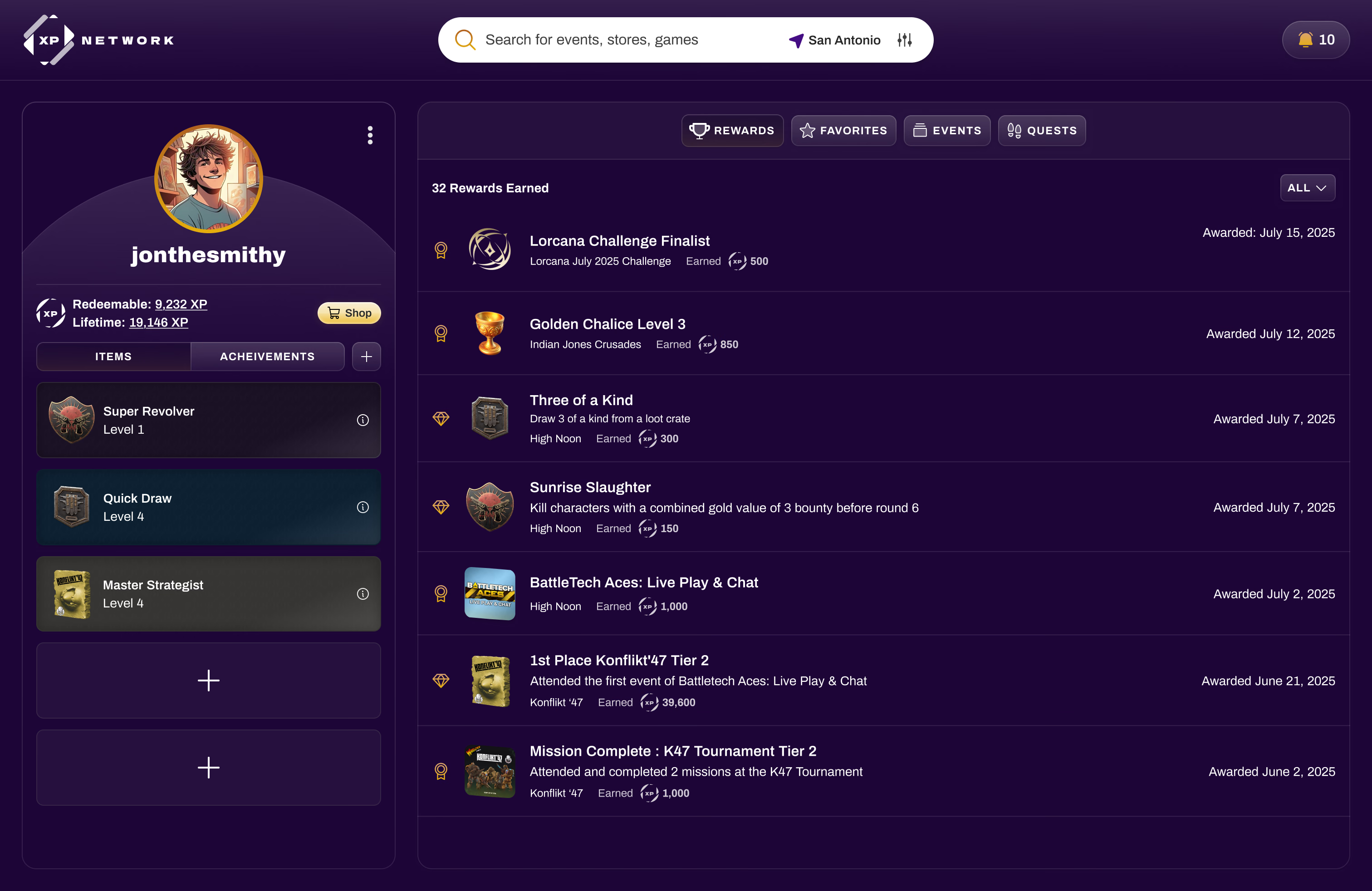
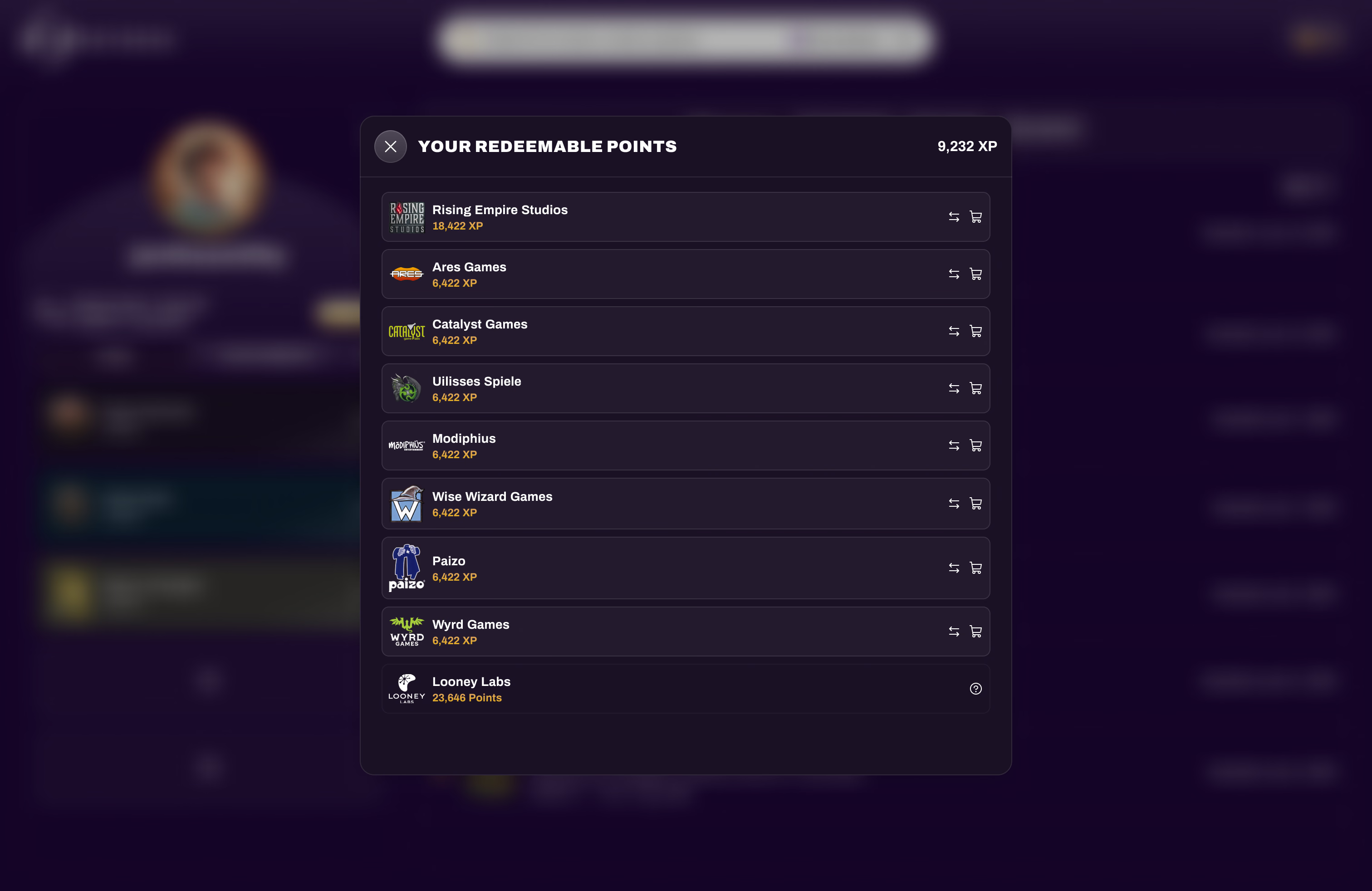
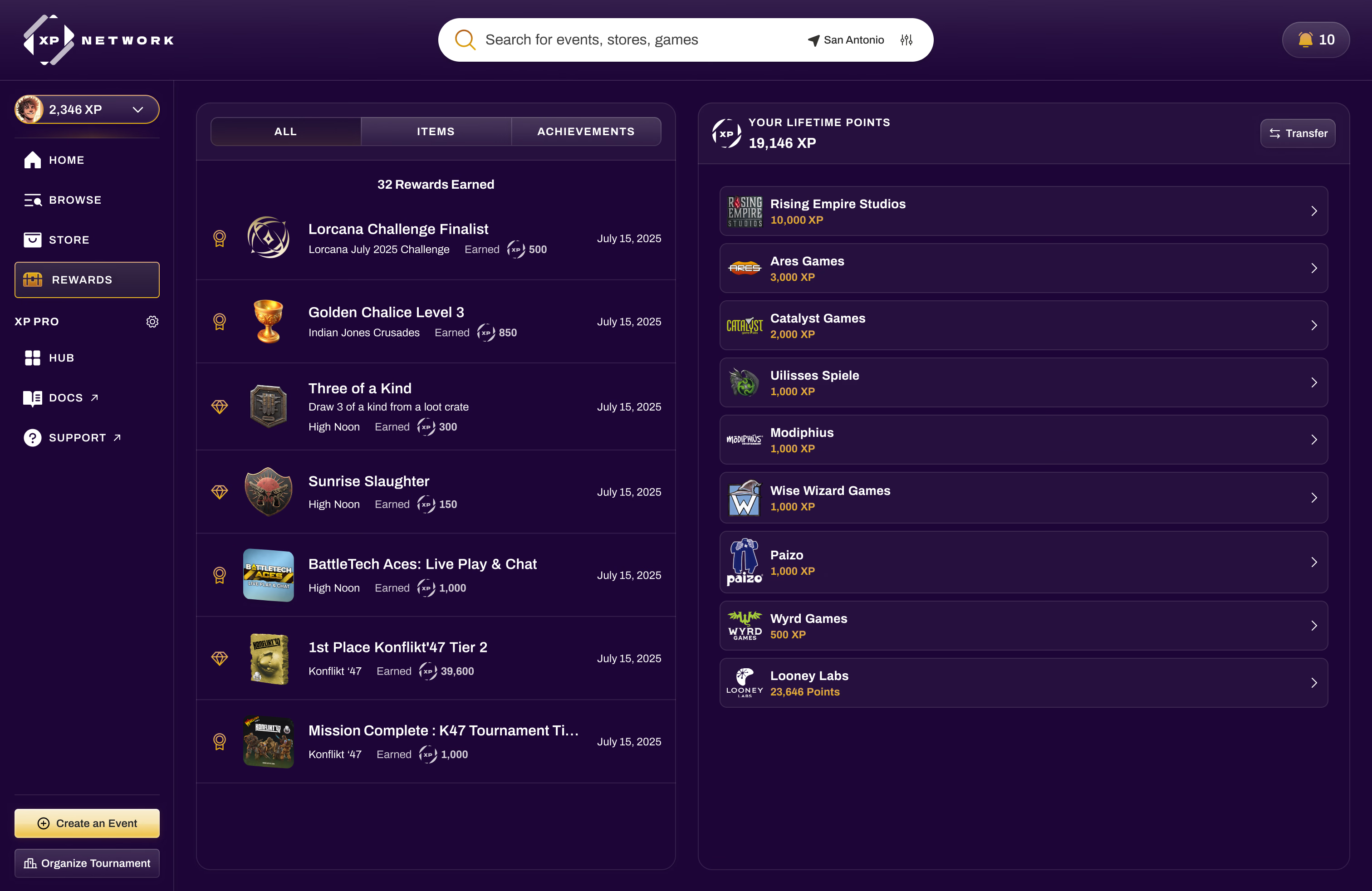
Members are the fans who attend, compete, and collect. Nearly everything a member does on the network, from buying a ticket to entering a tournament to completing a quest, earns XP along with items and achievements they keep. Points are tracked two ways: a lifetime total, which is the permanent record of everything a member has ever earned, and a redeemable balance, which is held separately for each organization and can only be spent with that organization until it is transferred. Users can also pin the items and achievements they have collected to a trophy case, which is useful for showing qualifications for tournaments or VIP access.
Finding and Attending Events
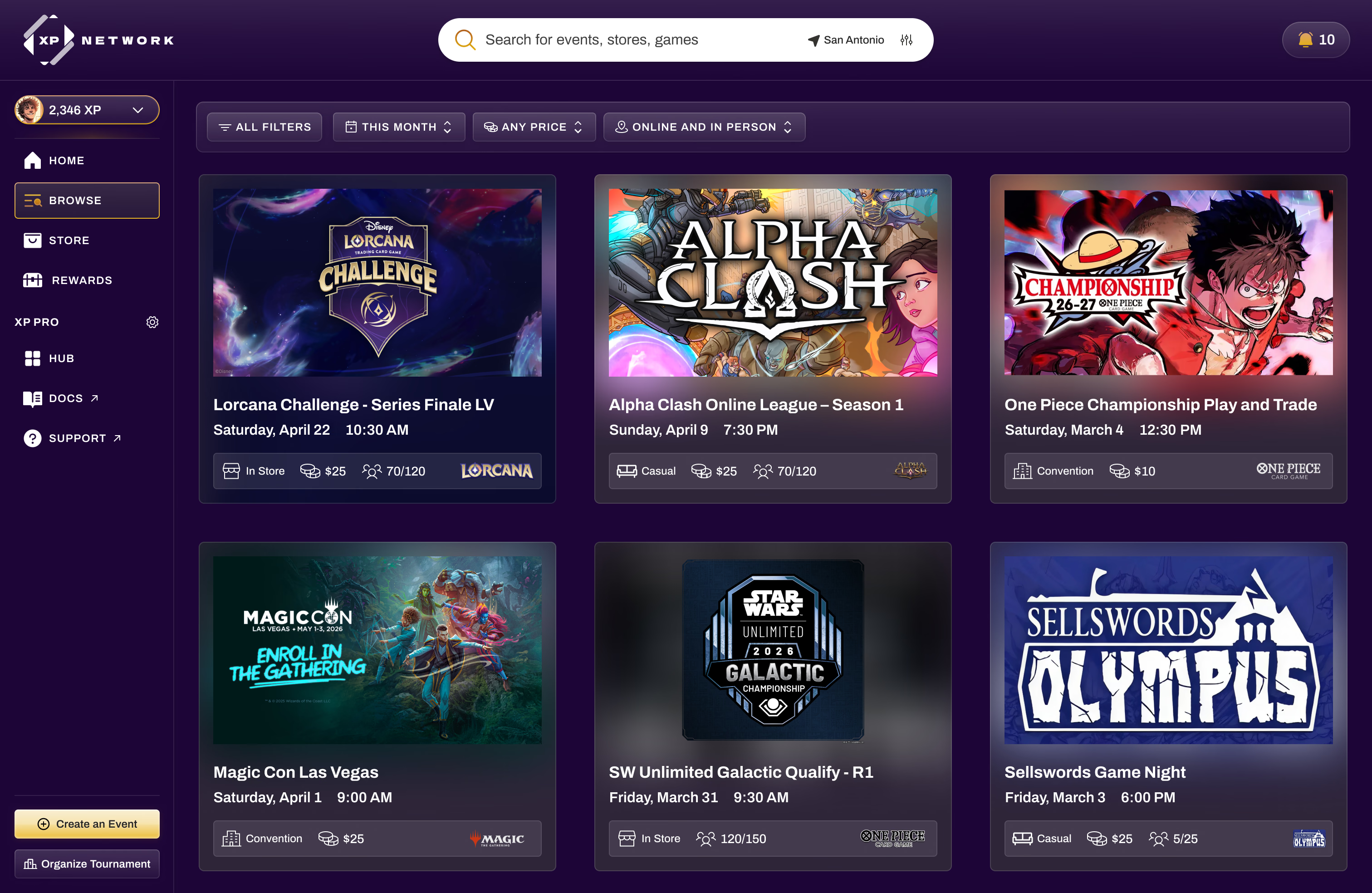
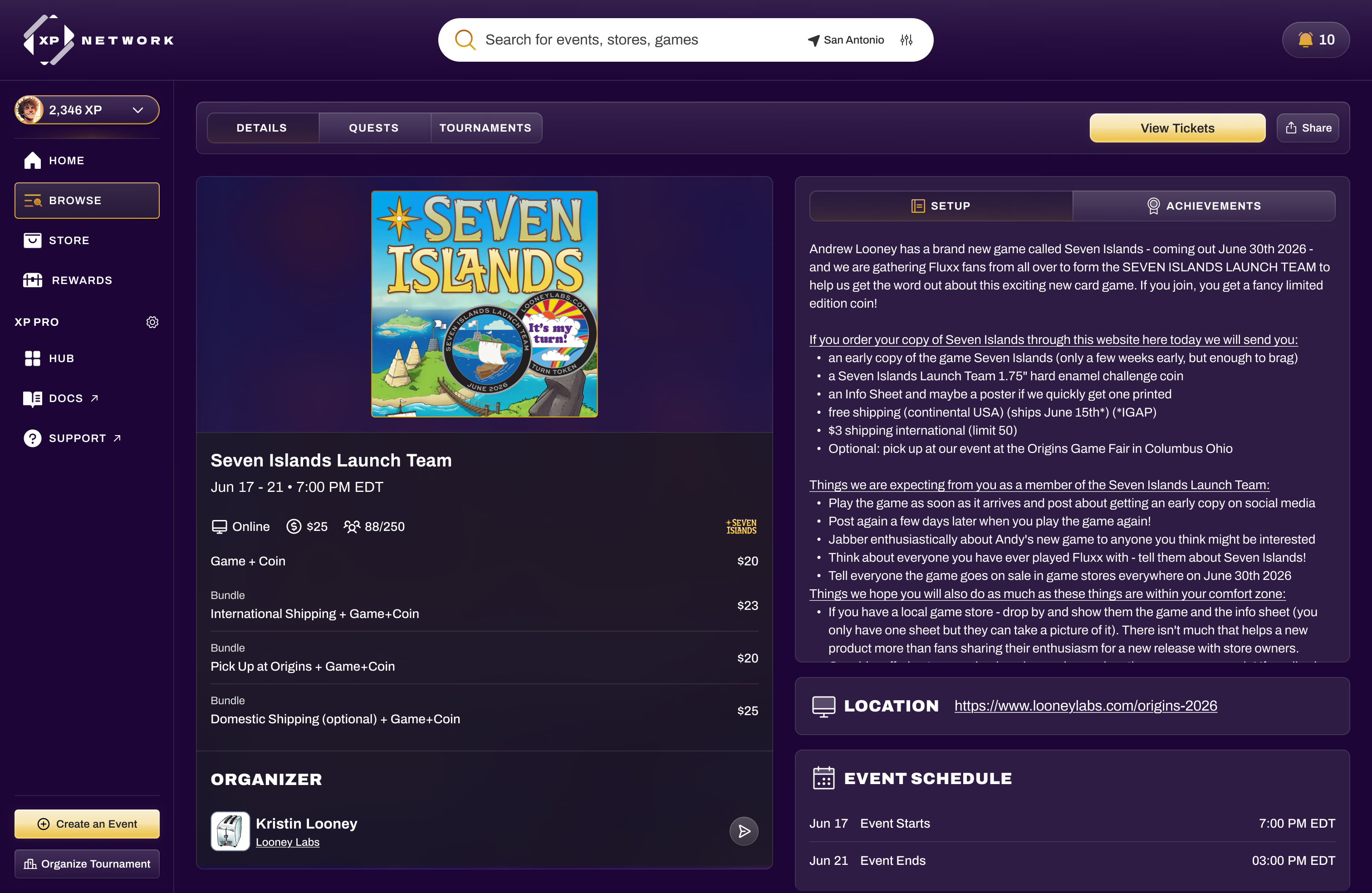
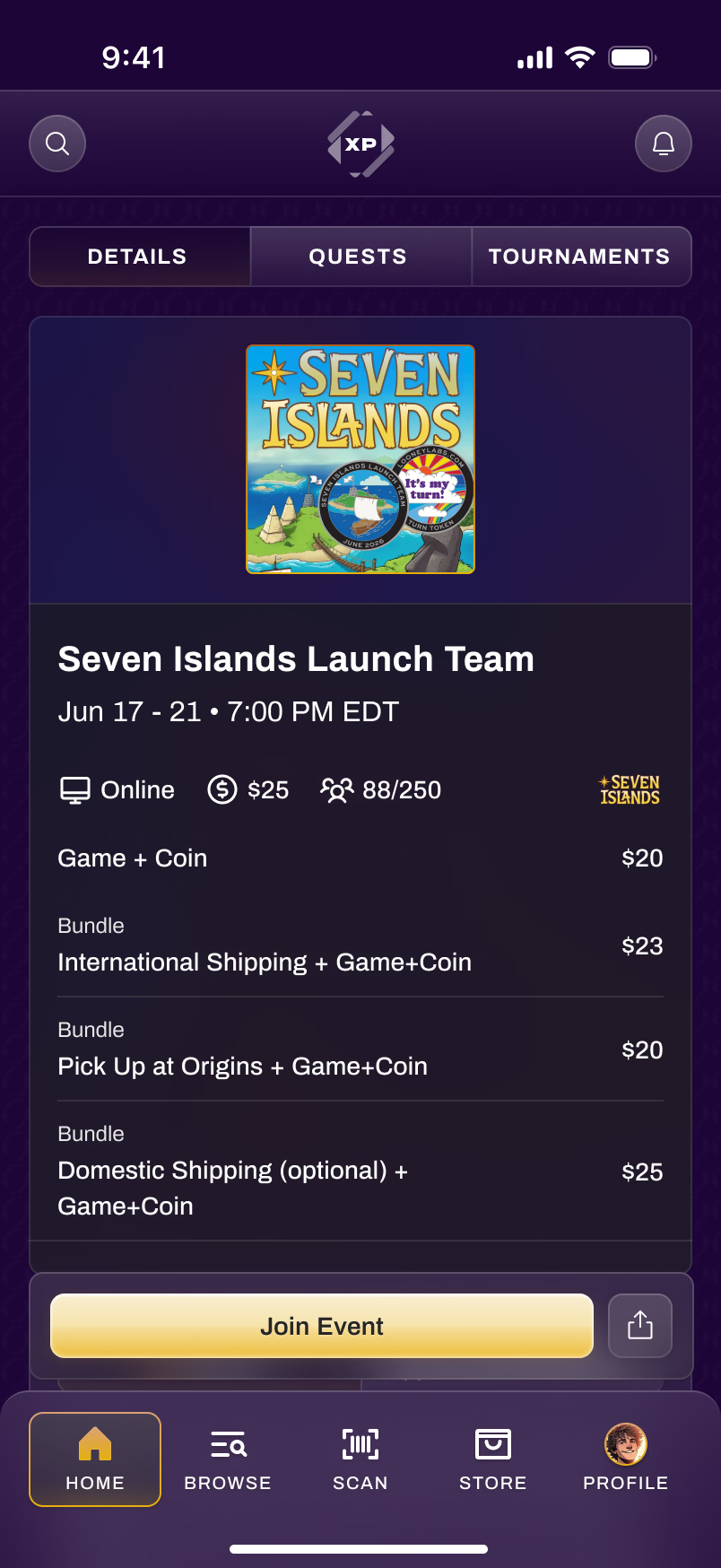
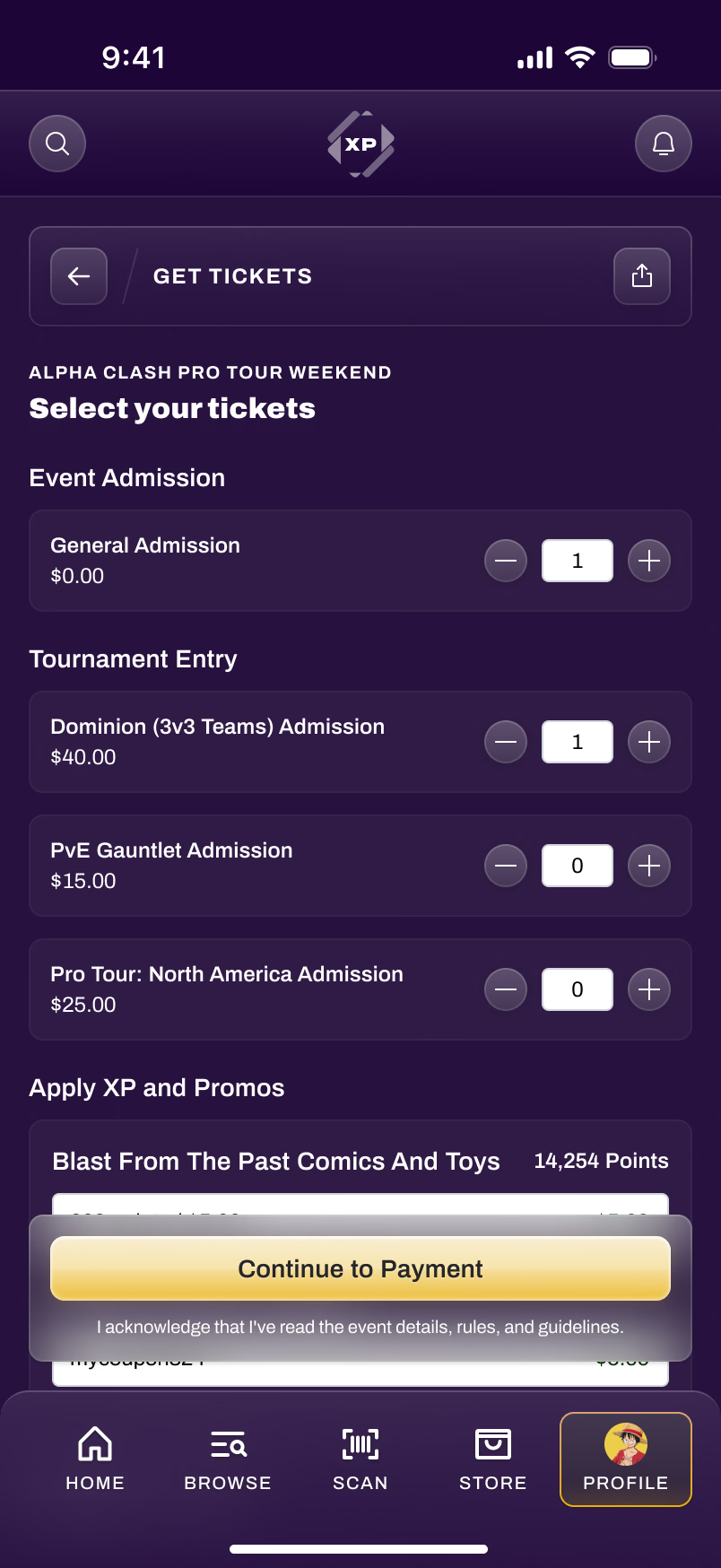
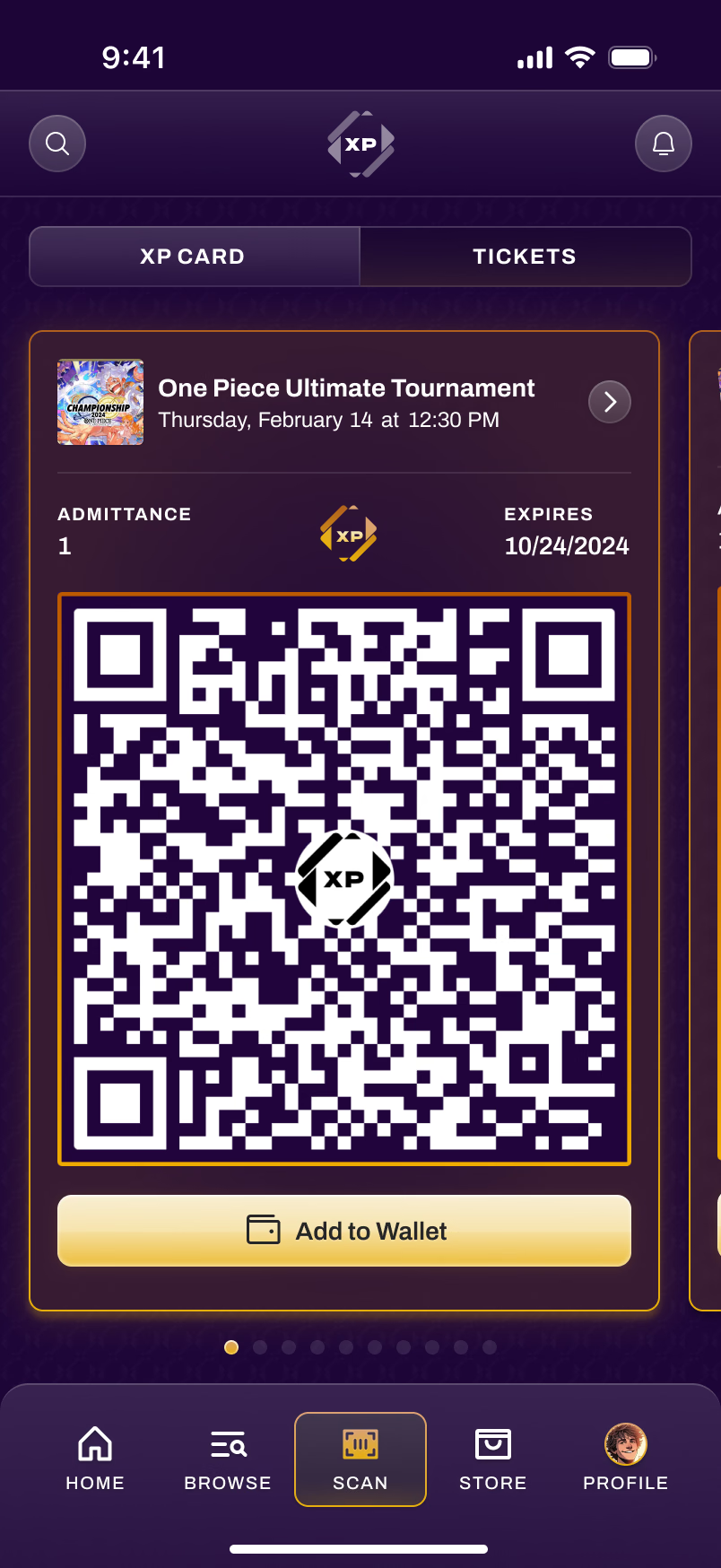
Events can be local or online meetups, tournaments, demos, raffles, watch parties, contests, and more. Browse filters on the things that decide whether someone shows up, including date, price, and whether an event is online or in person, and each event page carries its own ticket types, organizer, schedule, and capacity. Free events issue a ticket when a user selects Join Event, while paid events run through checkout, where XP and promo codes can be applied against admission and tournament entry. Every ticket carries a QR code that organizers scan on arrival.
Quests
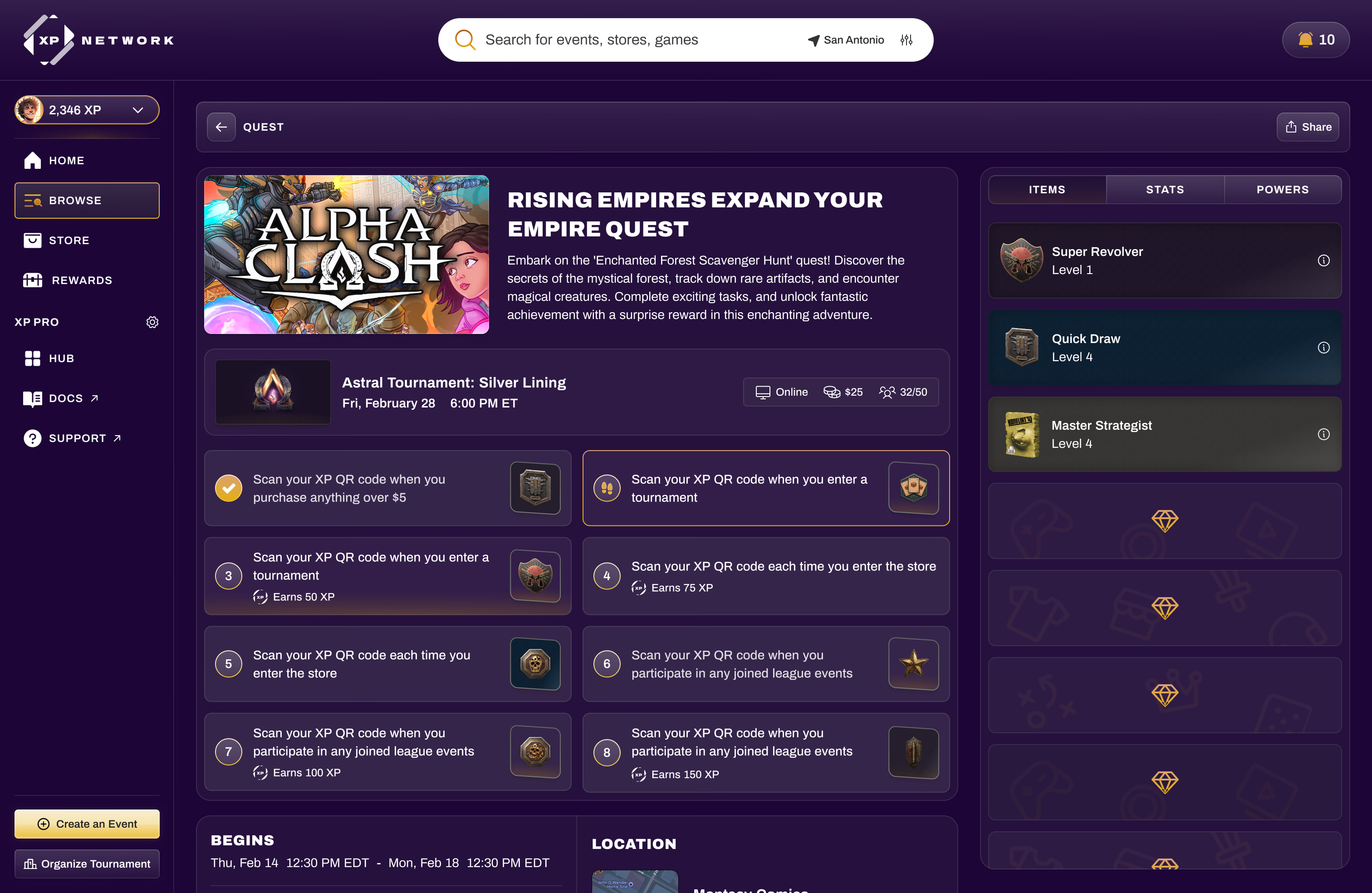
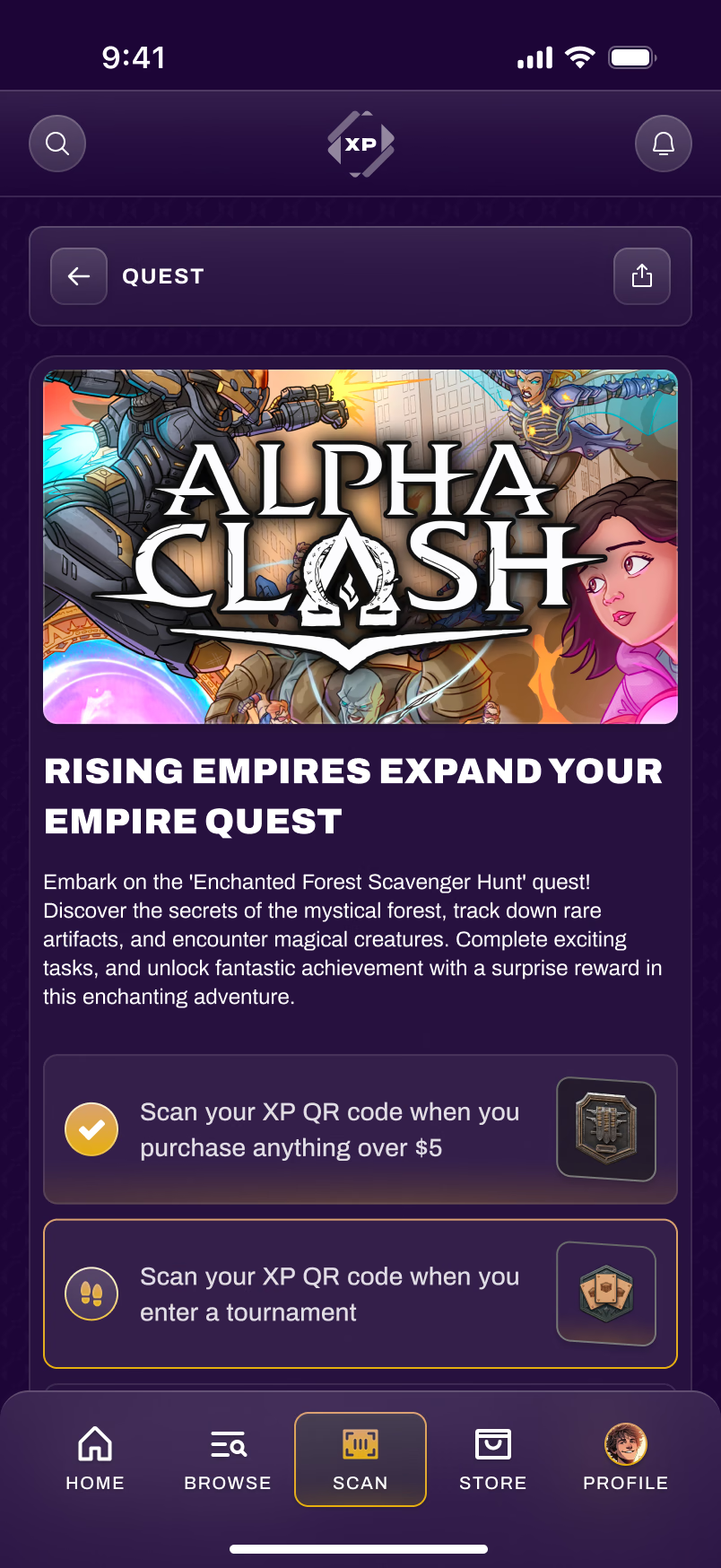
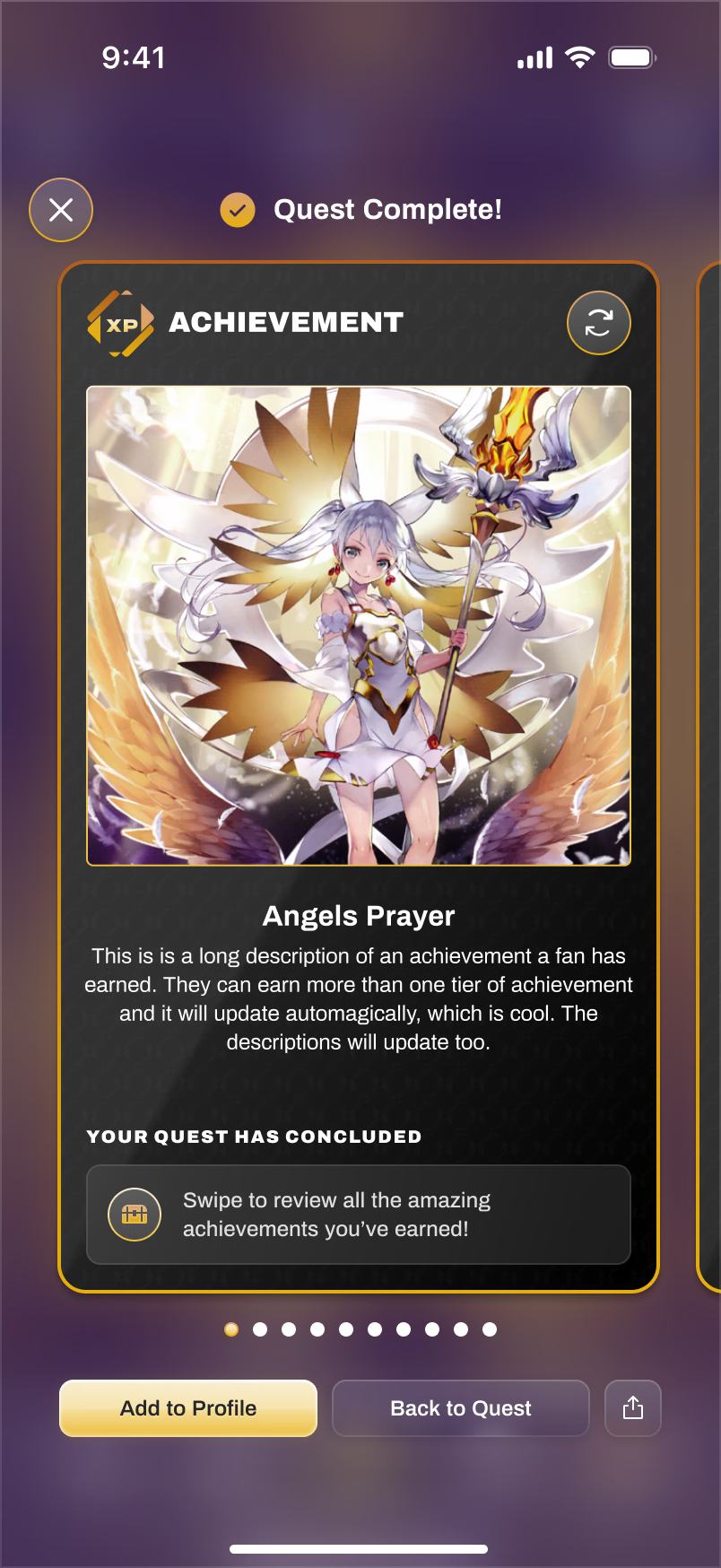
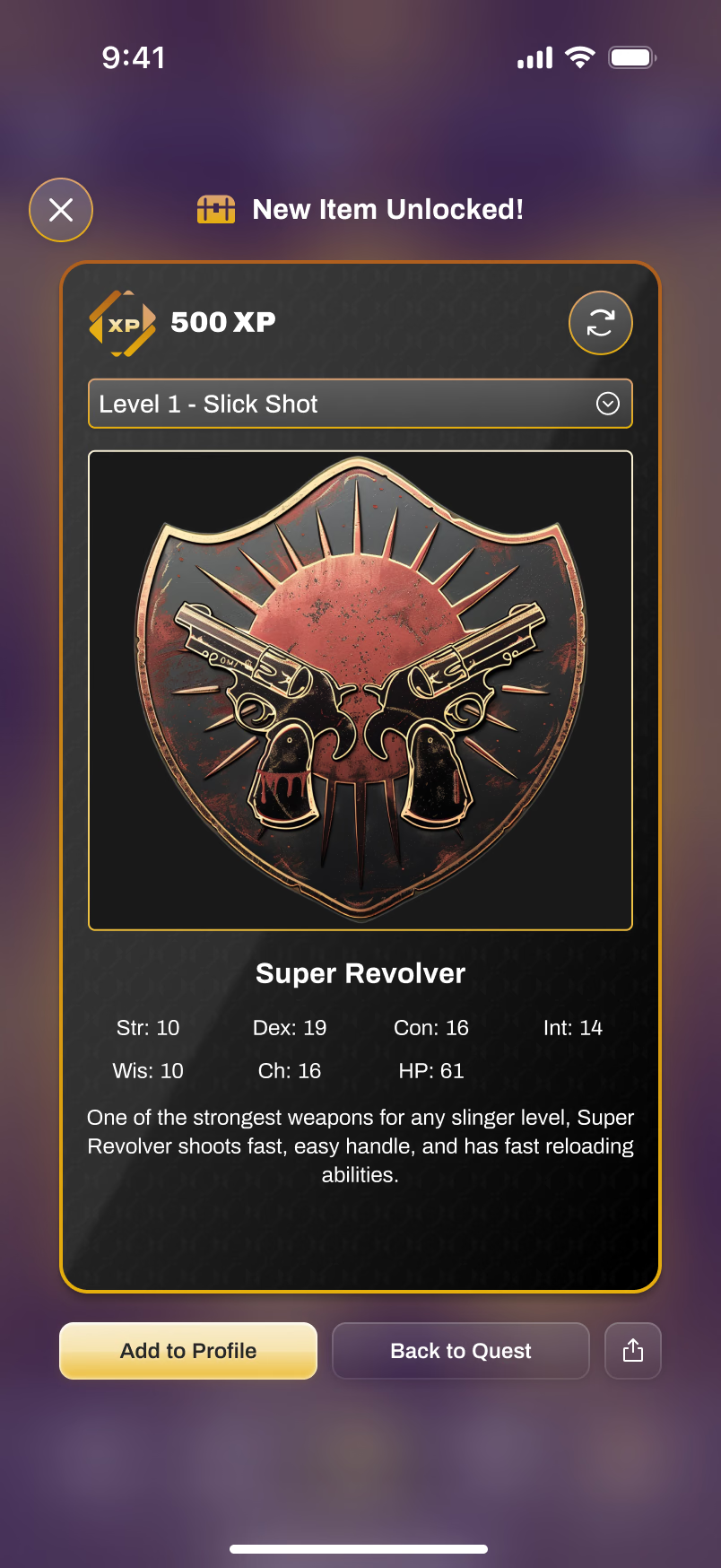
Quests turn ordinary activity into XP. A quest is a series of steps, such as scanning a QR code when making a purchase, when entering a tournament, or each time a fan walks into a store, and every step awards points and unlocks a reward. Completing a step delivers a card the user can add to their profile, either an achievement or an item with its own stats and description.
Playing in a Tournament
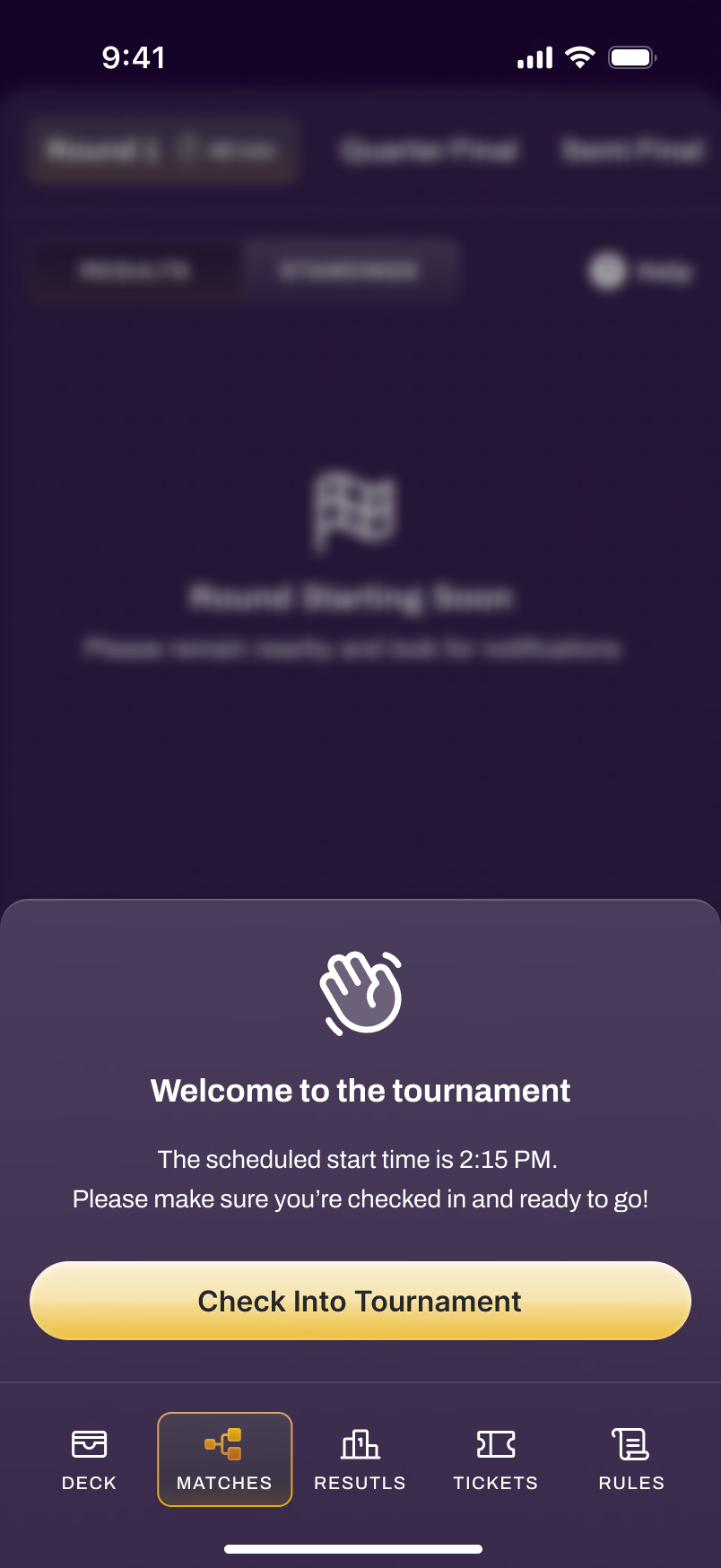
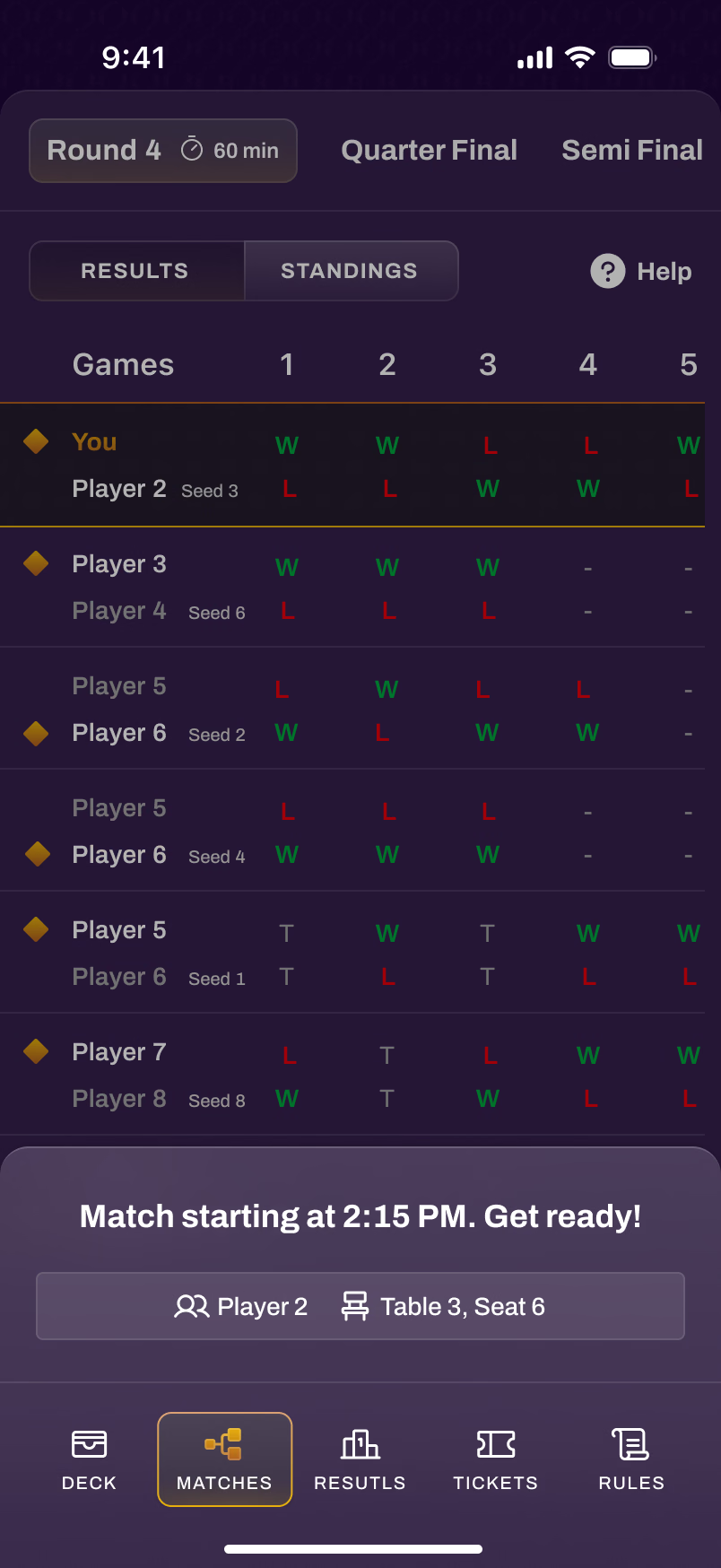
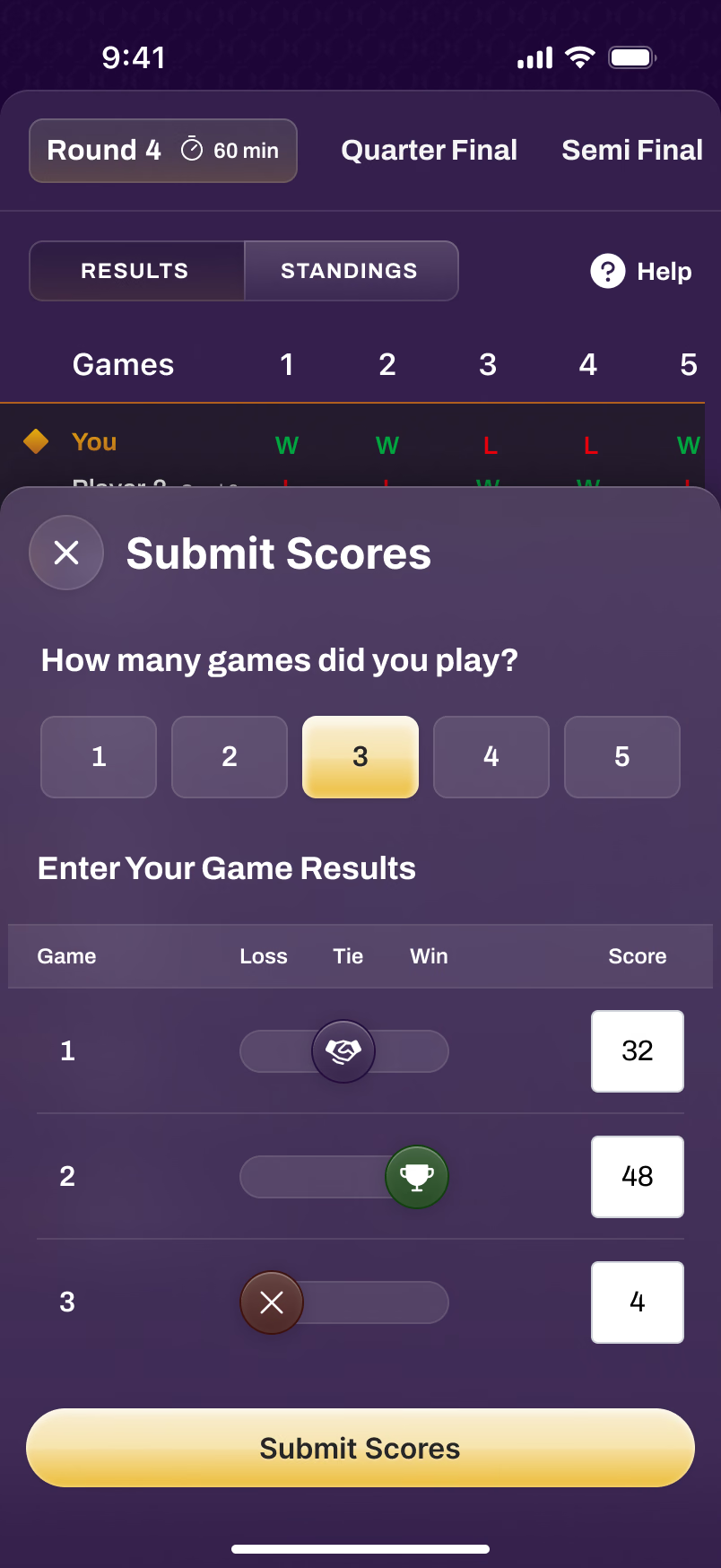
Competitors run their tournament from their phone. Users check in on arrival, then see their table or station number and their opponent for each round, or whether they have a bye. After a match, competitors select Report Round to confirm the games they won and lost, and both players report so the result can be validated. When two reports disagree, the match is marked as Disputed and any judges or organizers are alerted.
Publishers and Games
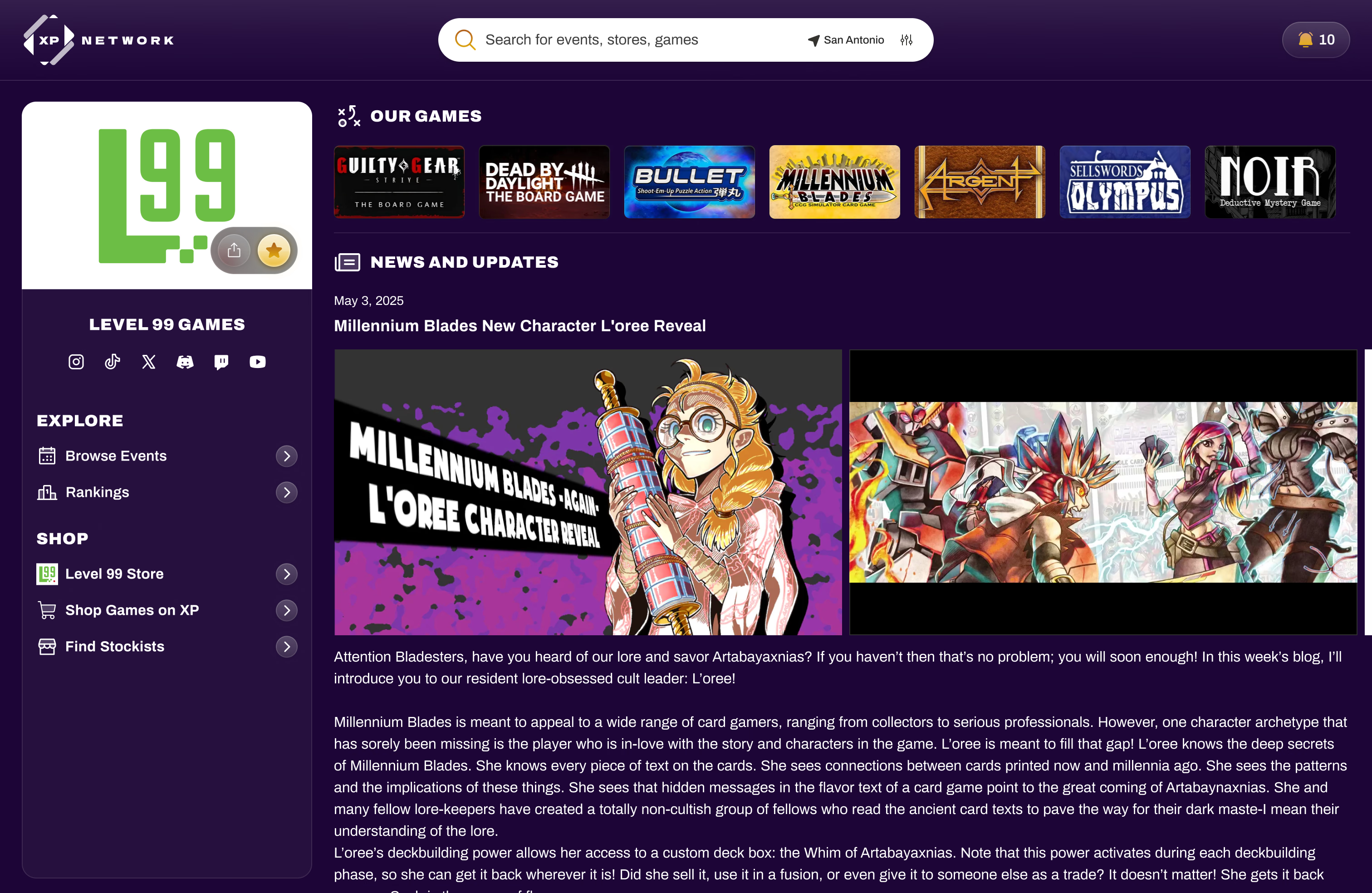
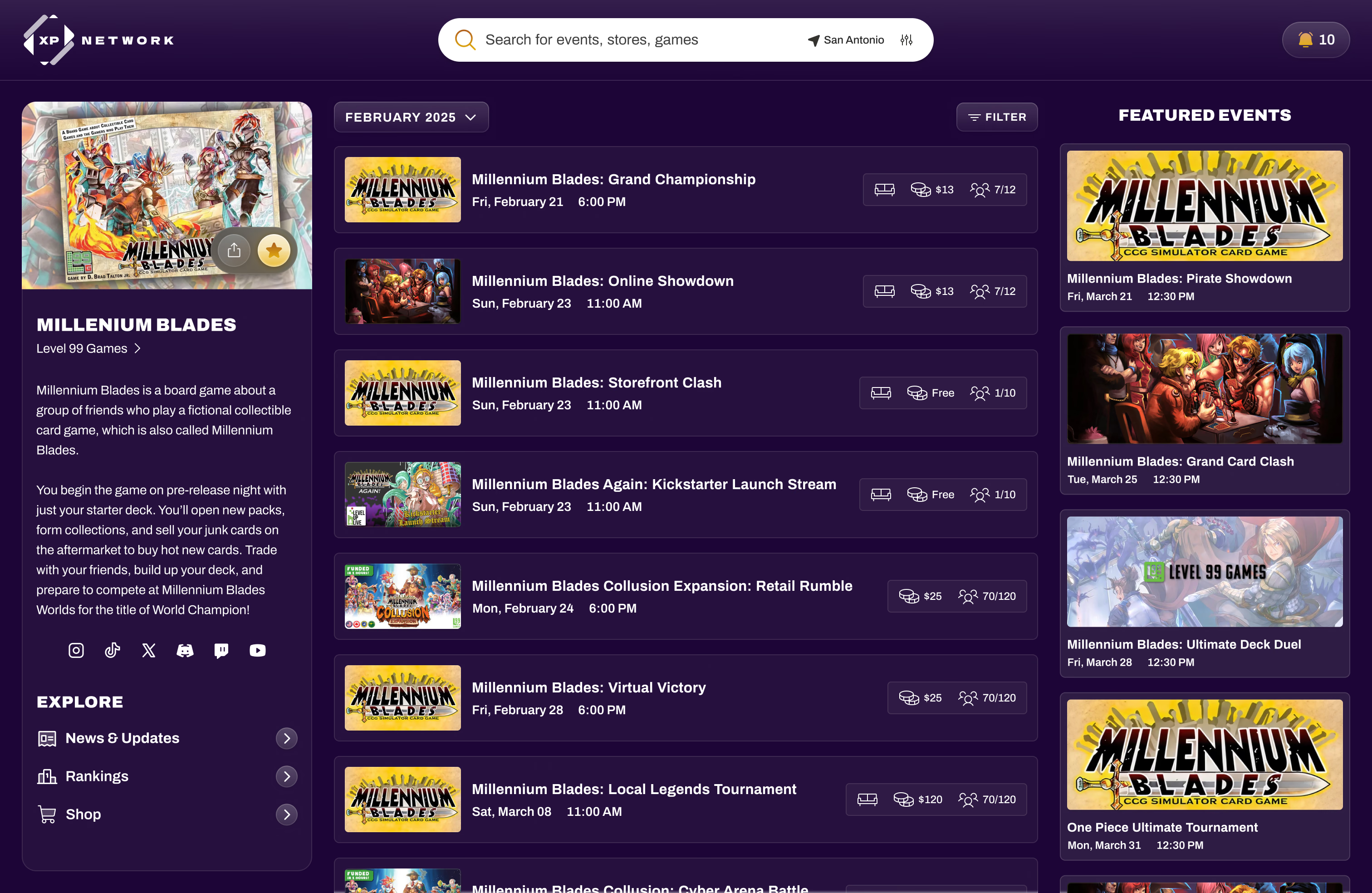
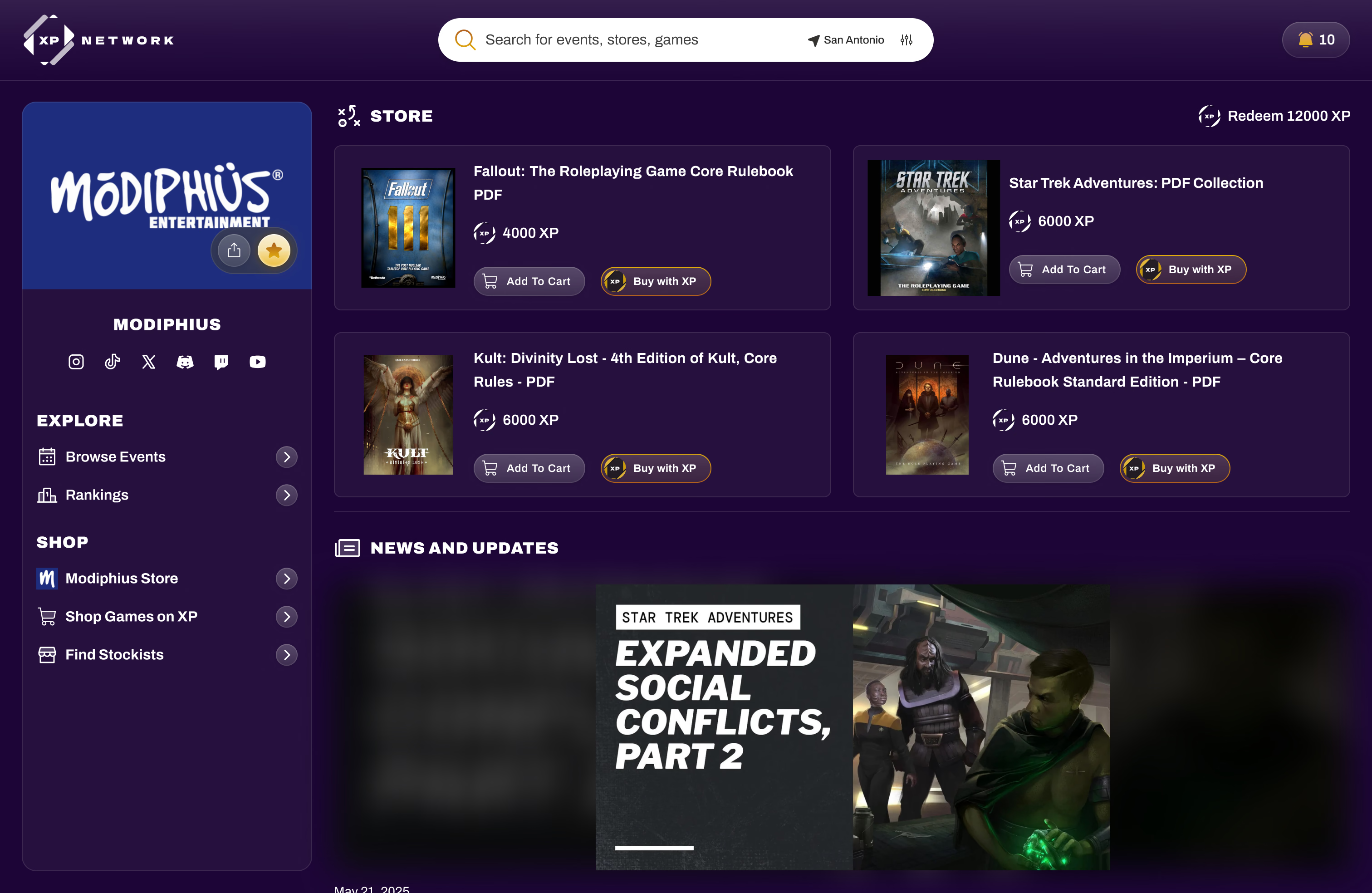
Publishers and games each have their own page, which is what makes the network browsable rather than a flat list of events. A publisher page collects their catalog, news and updates, stockists, and store in one place, while a game page works as a calendar of everywhere that title is being played, along with its featured events. Users can favorite either one to get news and event notifications.
The XP Store
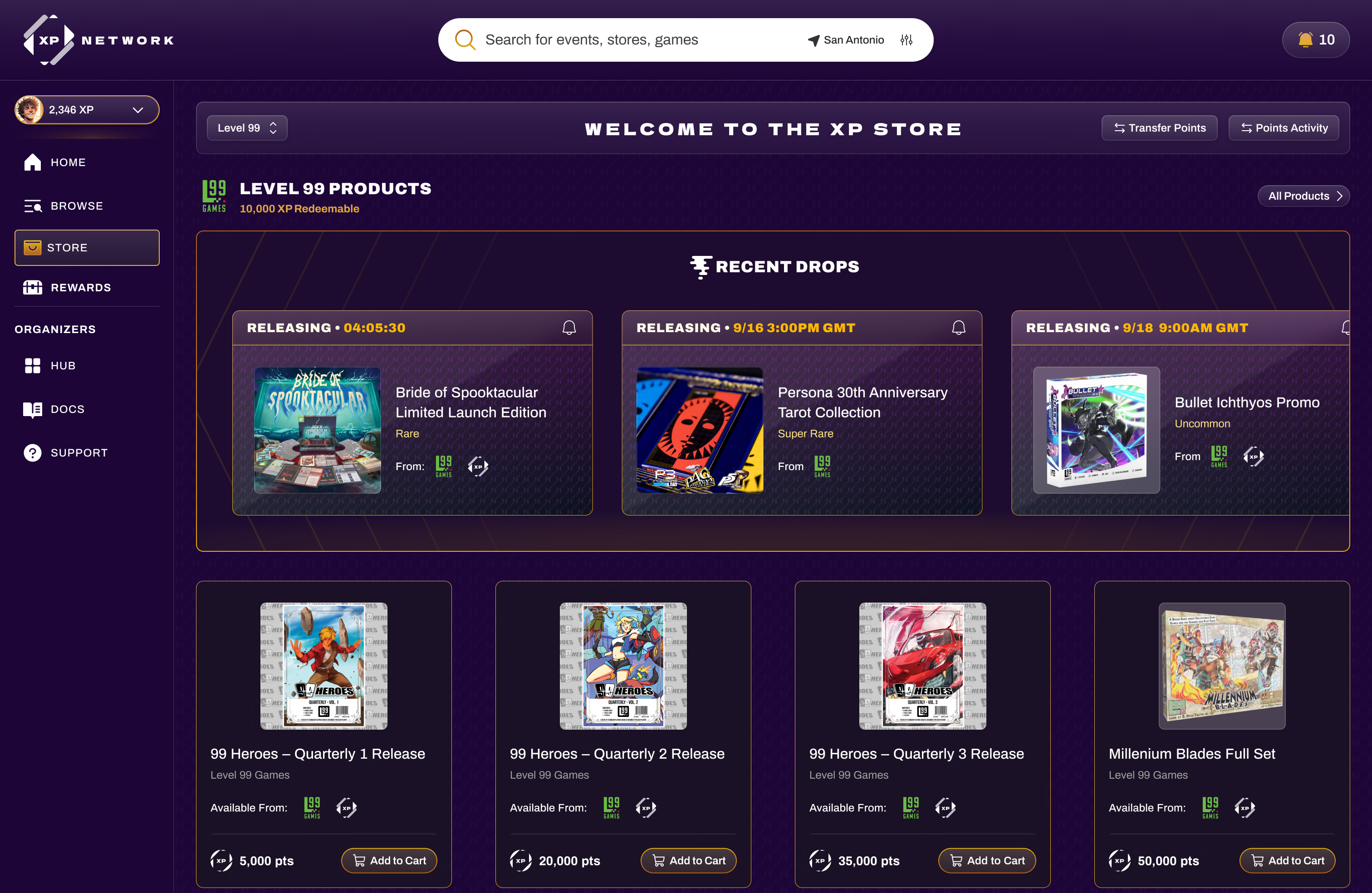
The store is where points become goods. Publishers run their own storefronts with timed drops, rarity tiers, and products priced in XP, and a member's redeemable balance with that publisher sits above everything they browse. XP's store integrates with Shopify and Square POS systems. Points earned with one organization can also be transferred into the universal XP Network store, which carries affiliate and limited edition items.
Hub: A unified set of tools for Publishers, Stores and Organizations
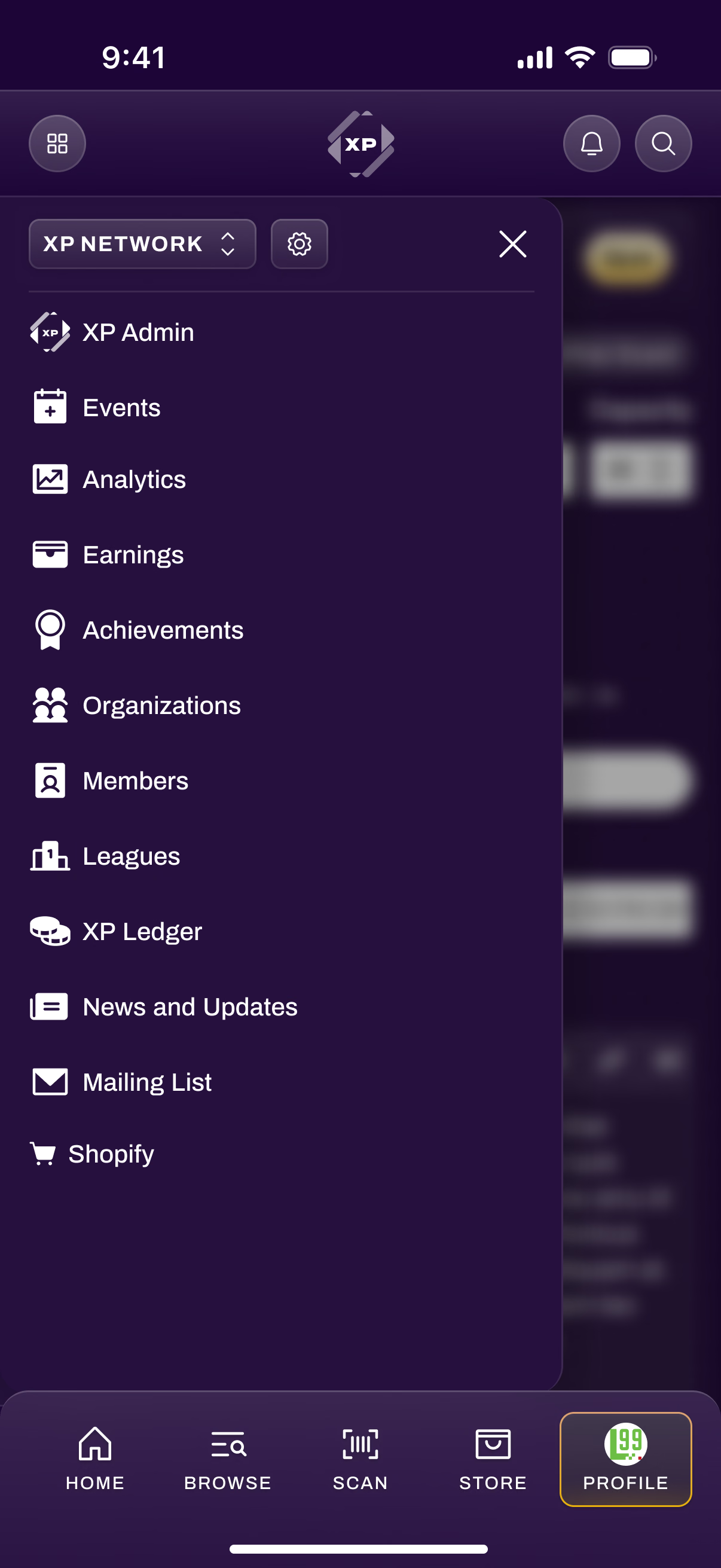
Publishers, stores, and organizations — the entities that power the platform's ecosystem of Experiences. A core part of this designing XP is addressing operational problems: most organizations running fan-facing programs are stitching together separate tools for ticketing, event calendars, league management, and loyalty. XP Network is designed to consolidate those providing the infrastructure to define how their audiences earn XP and what they can do with it — all from one place. I designed the flows and interfaces that allow organizations to configure their own storefronts, manage their Experiences, and build a direct, ongoing relationship with the fans they're already engaging.
Event Setup
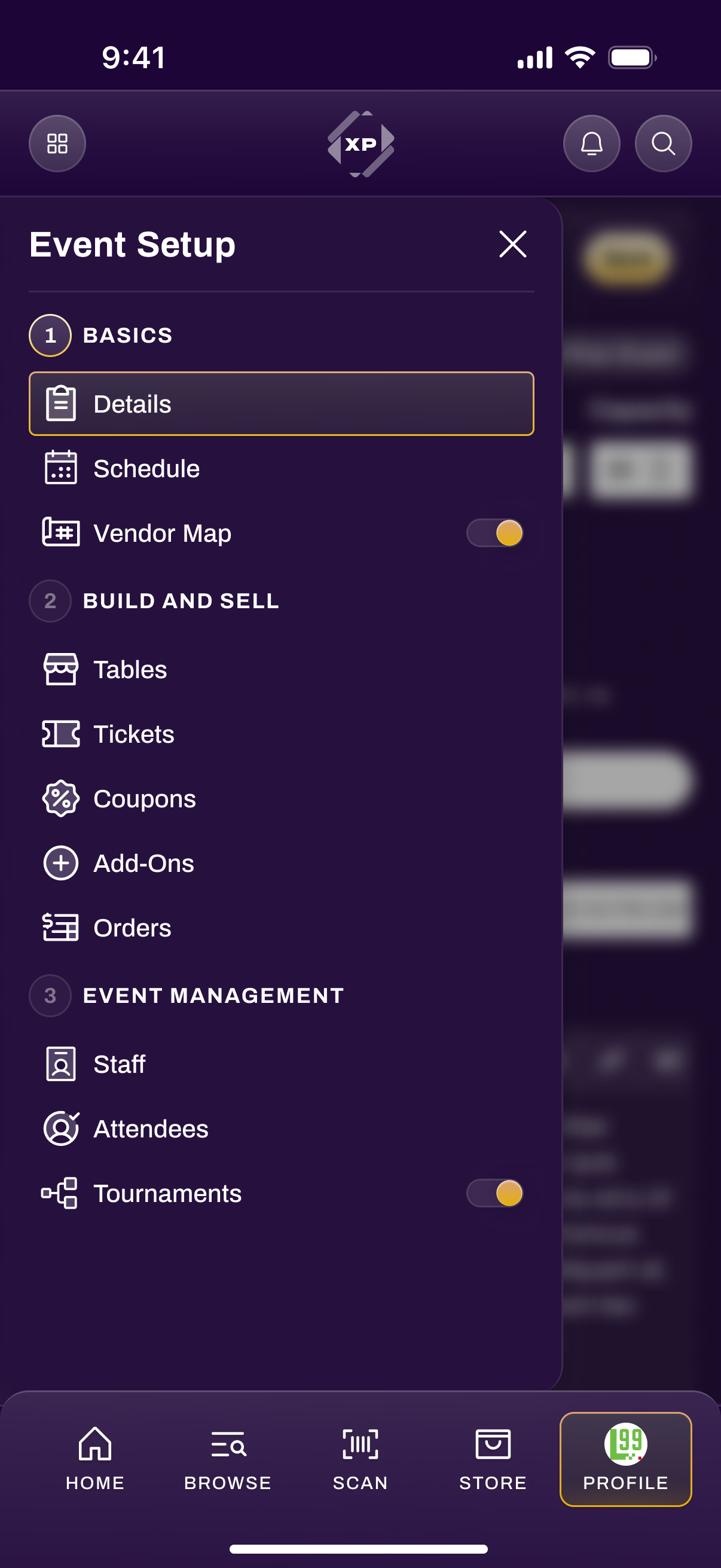
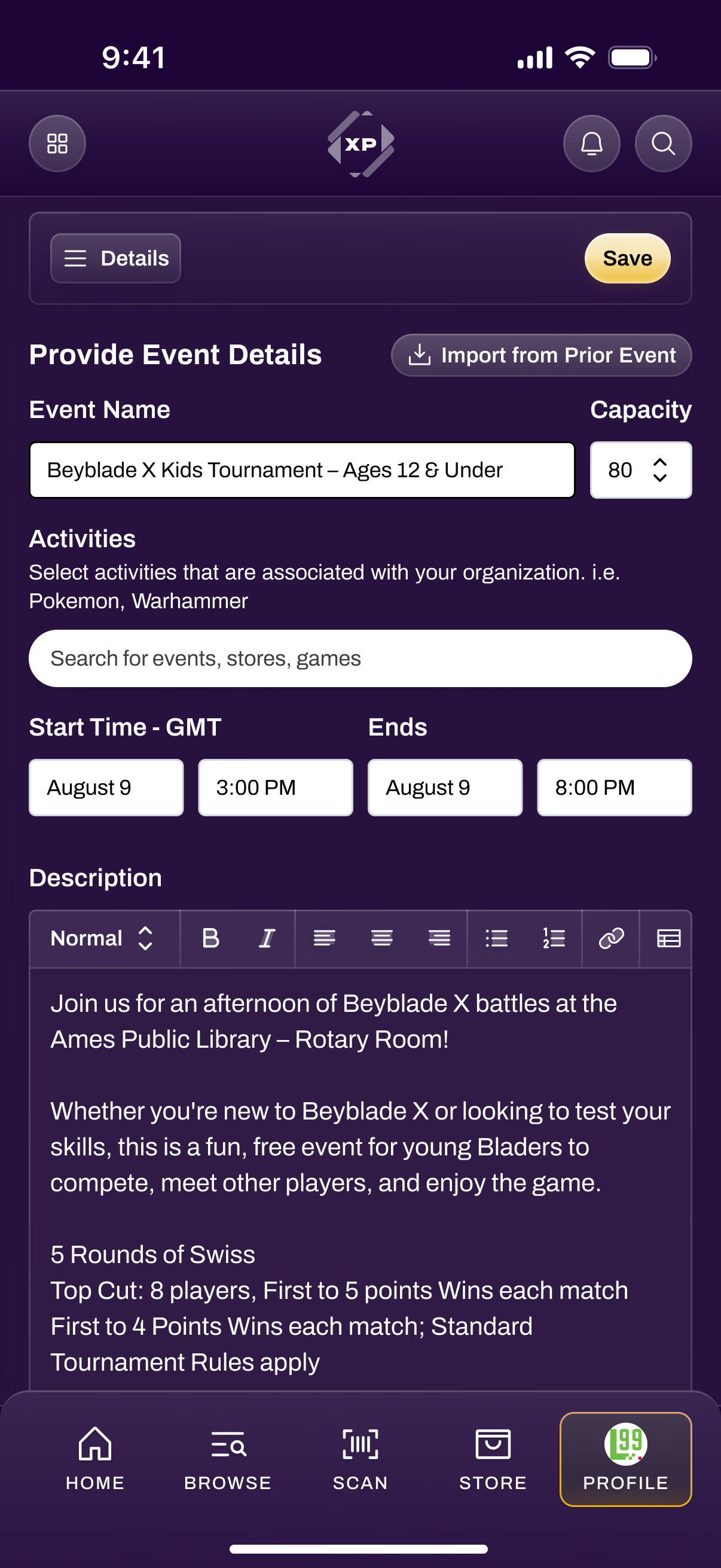
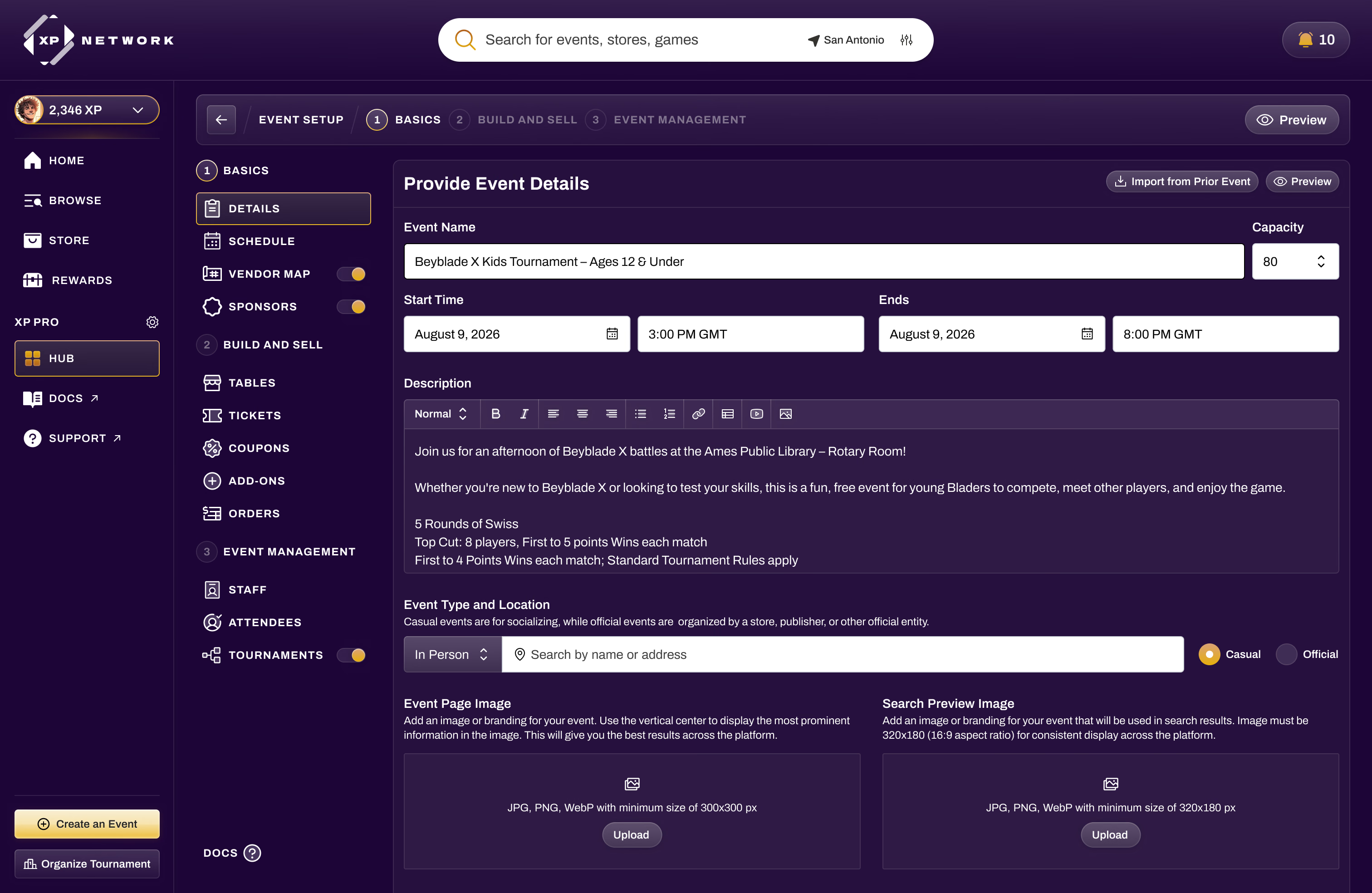
Event setup is organized as a checklist rather than one long form. Organizers work through the basics, then what they are selling, including tables, tickets, coupons, and orders, and then how they will run the day with staff, attendees, and tournaments. Modules that do not apply, such as a vendor map or sponsors, can be toggled off so a store running a weeknight game night is not answering the same questions as a convention.
Building Quests
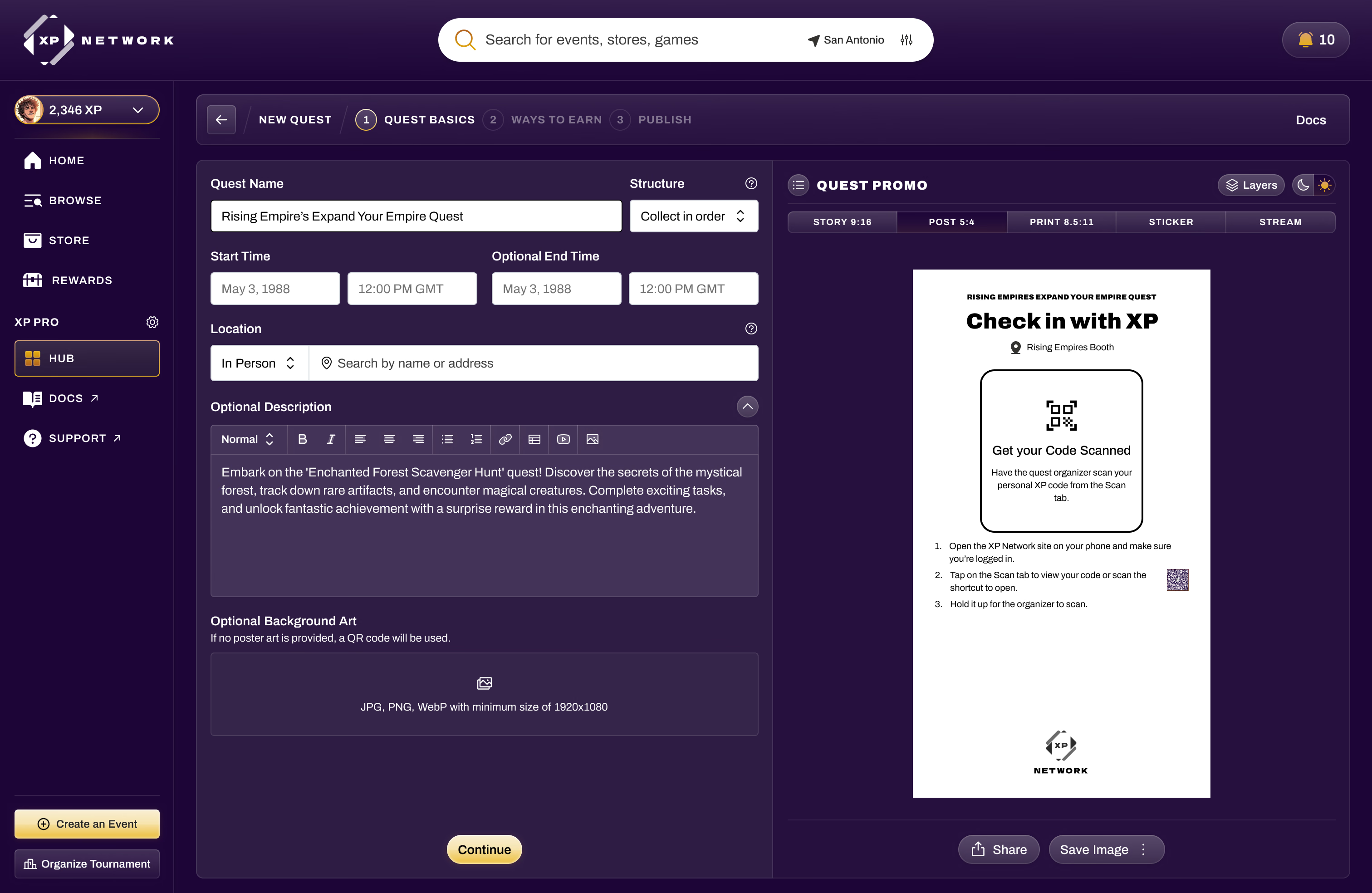
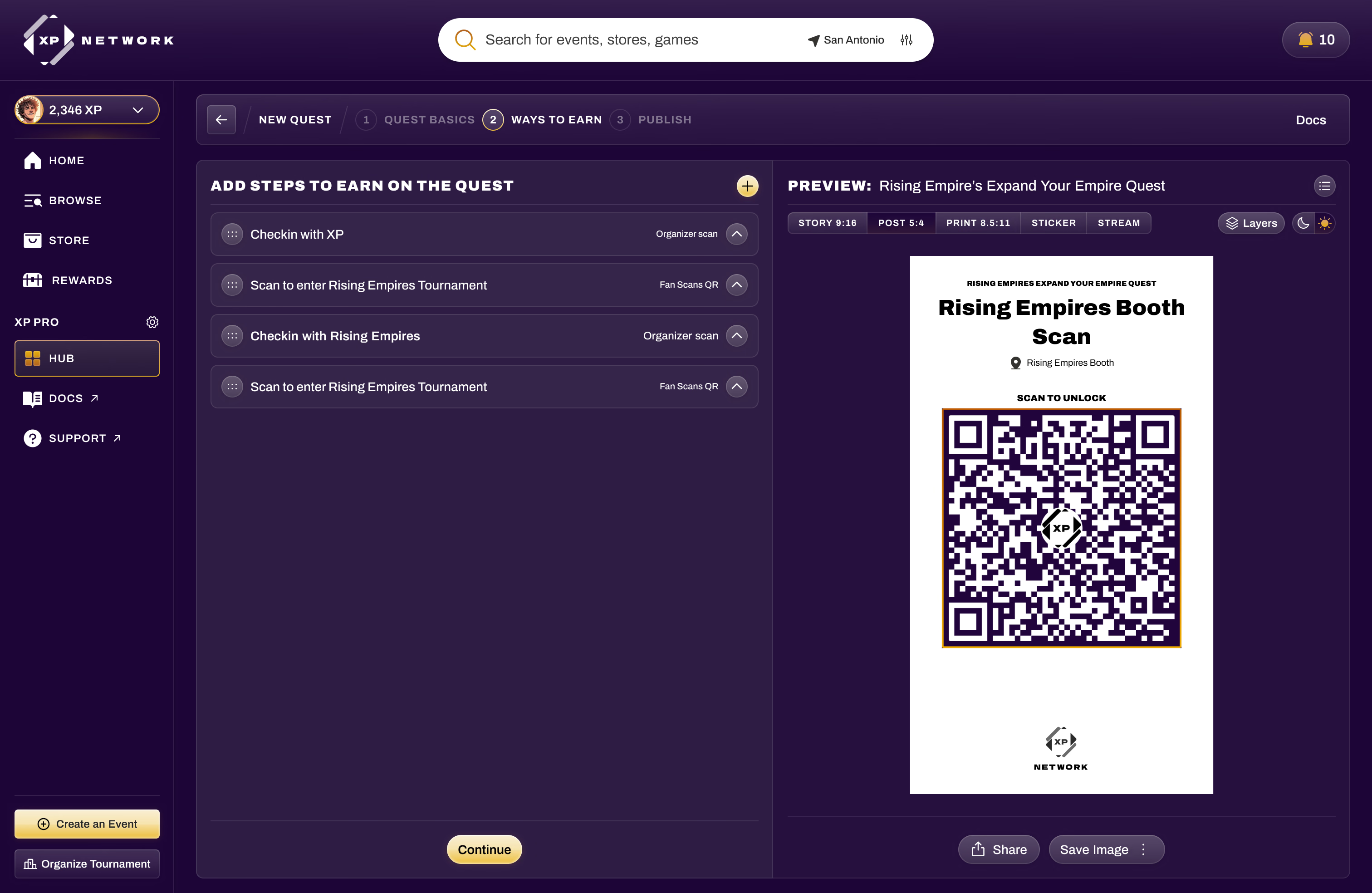
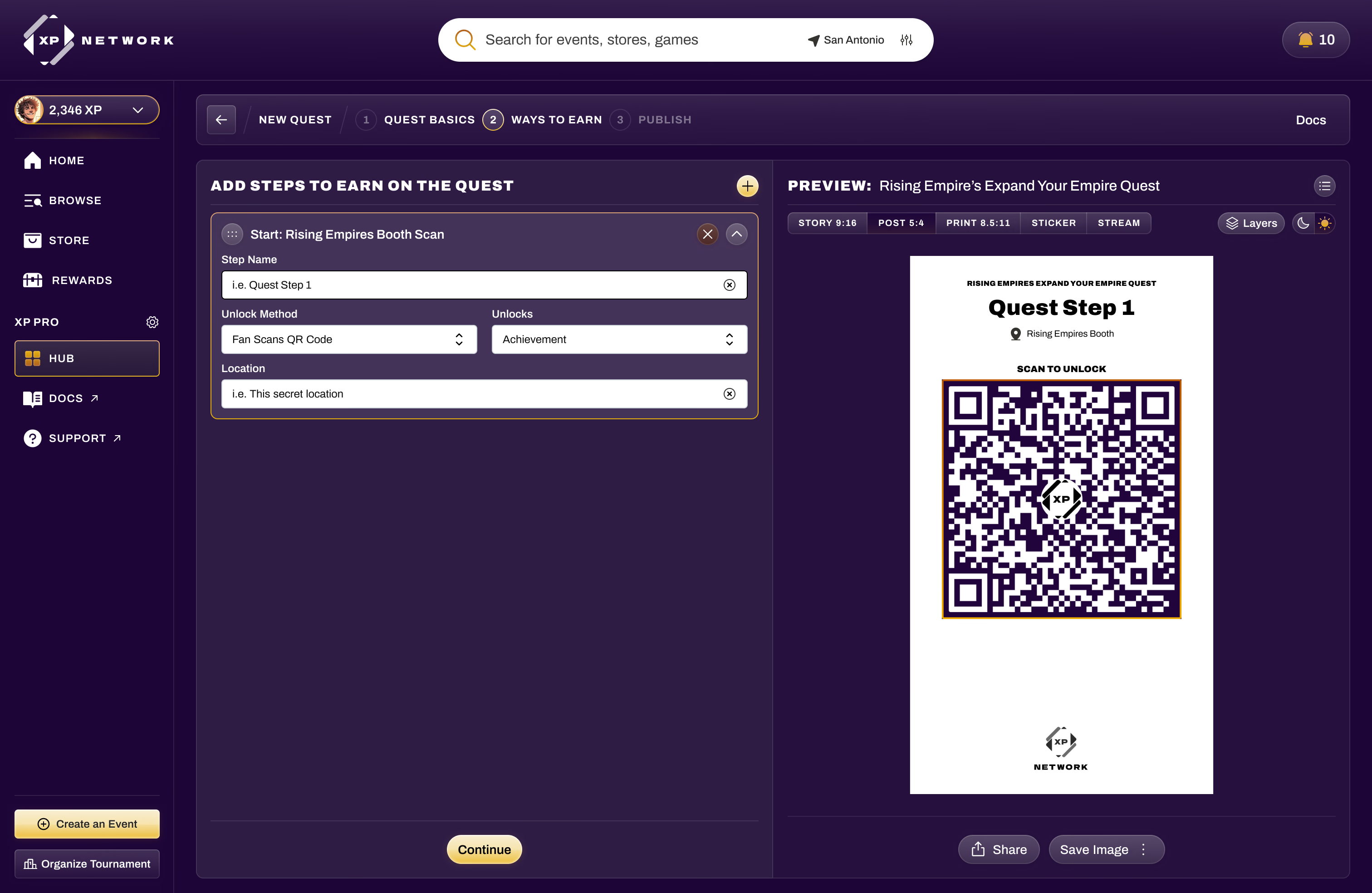
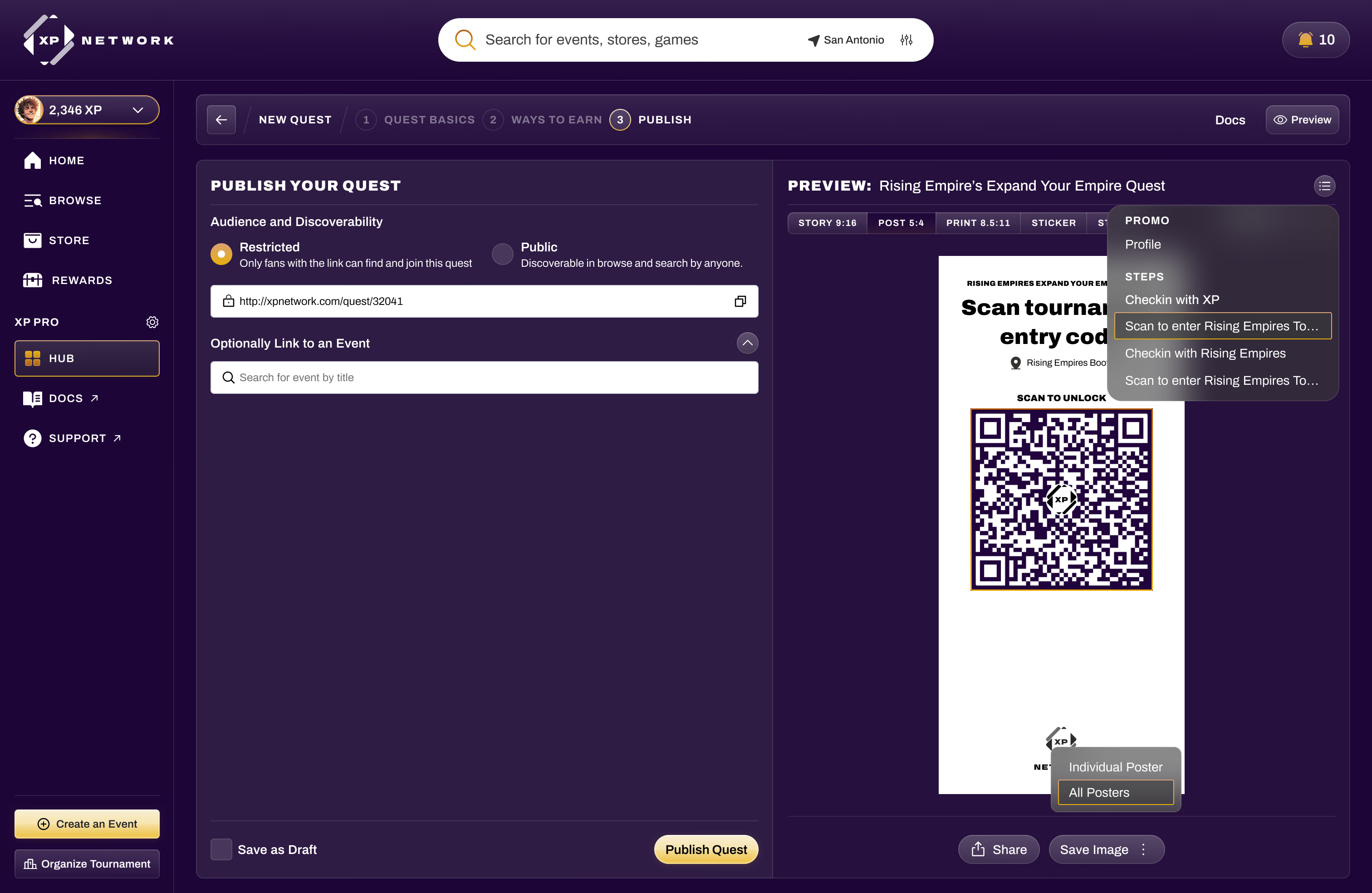
The quest builder follows the same three steps every time: define the quest, define the ways to earn, and publish. Each step's unlock method determines who scans whom, either an organizer scanning a fan's code or a fan scanning a printed code at a booth. The builder also generates promo art for every step as it is created, sized for stories, posts, print, stickers, and stream overlays, so a quest ships with the material needed to advertise it.
Running Tournaments
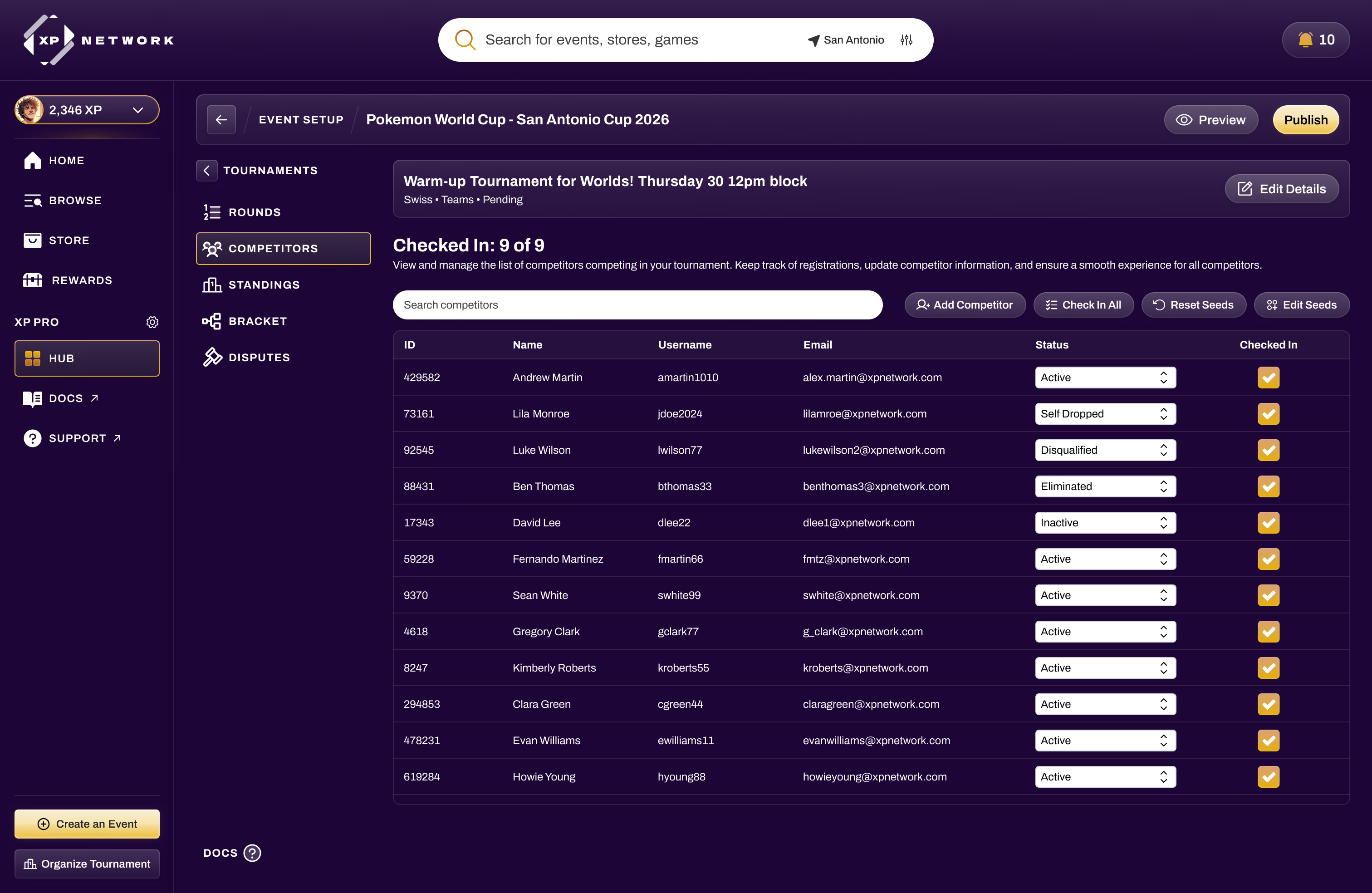
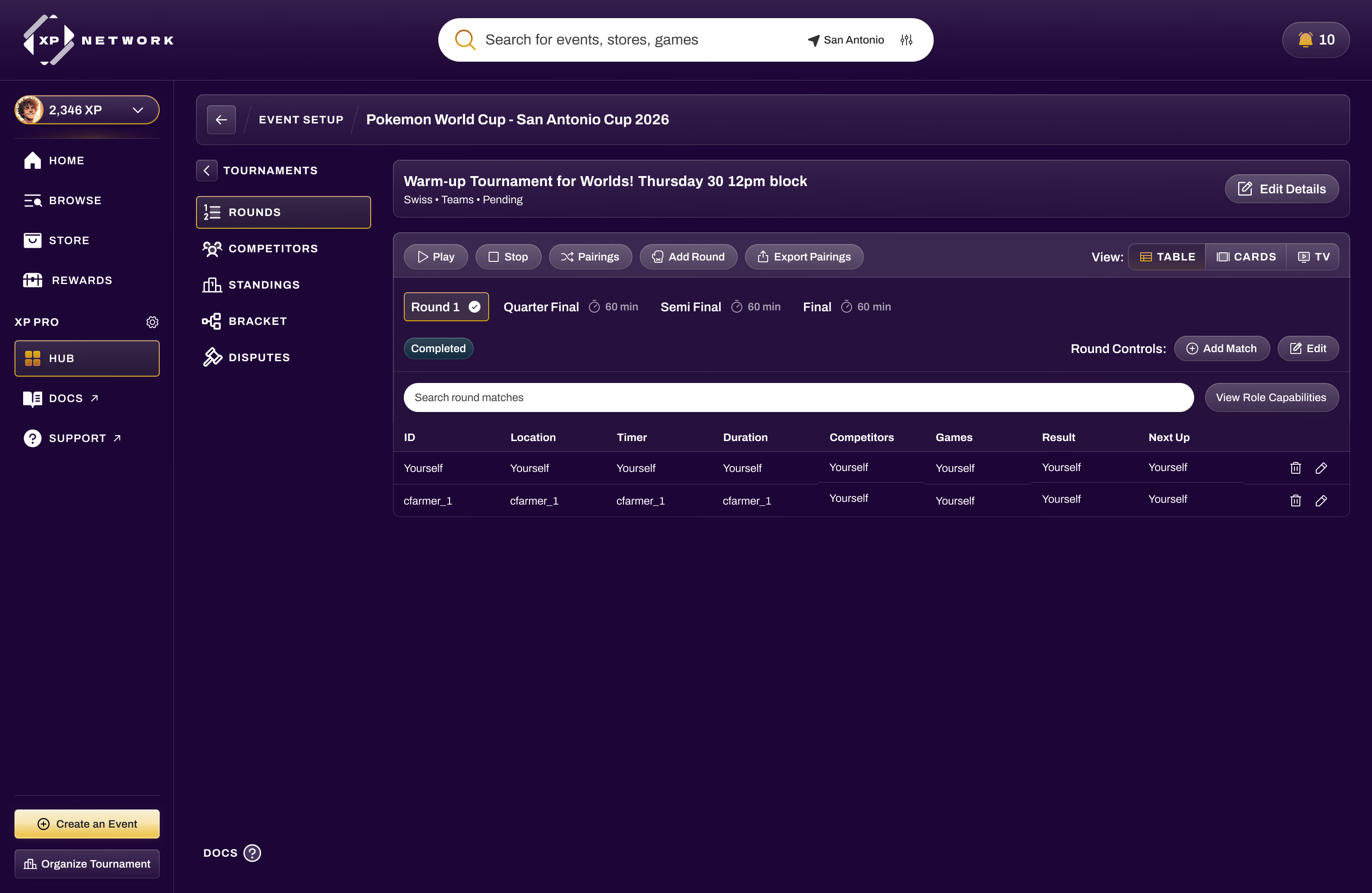
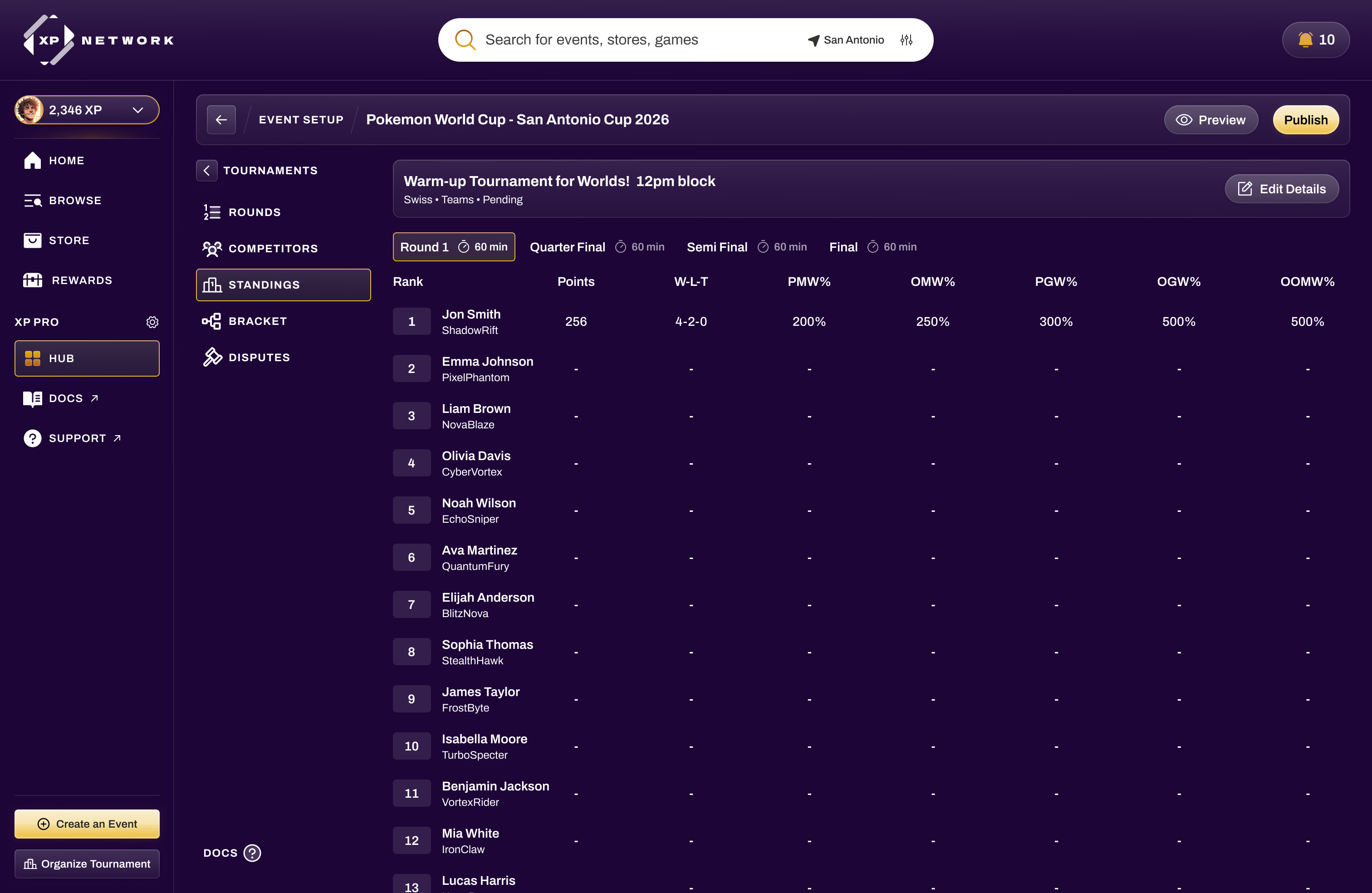
Tournament tools cover the parts of running an event that usually end up in a spreadsheet. Organizers can check competitors in, manage rounds and pairings against a timer, and track standings with tiebreakers already calculated. A round can be viewed as a table for staff, as cards for the floor, or thrown to a TV for the room, and any disputed match is routed to a judge.
Authoring Achievements
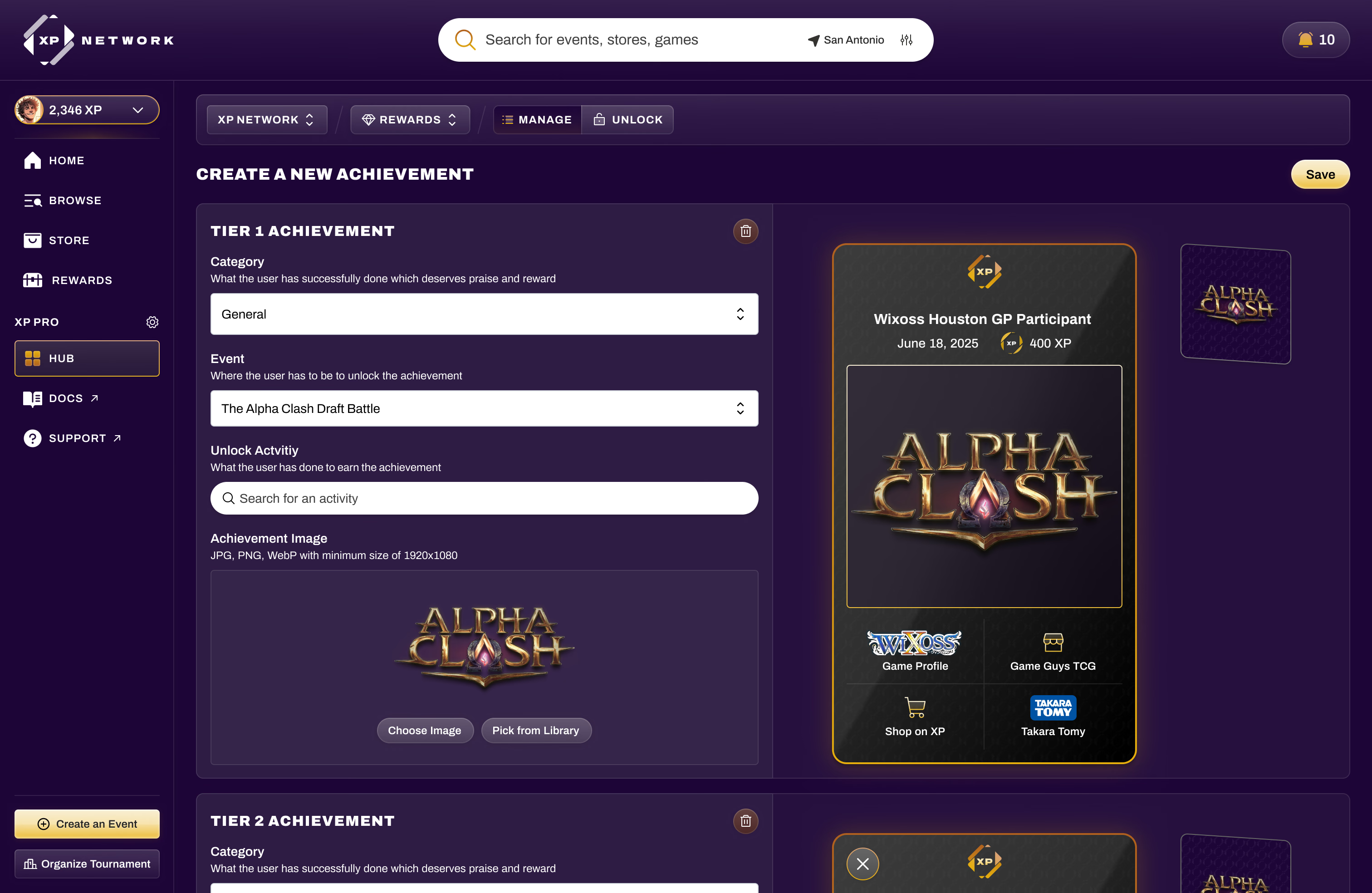
Organizations create and award achievements based on their own criteria, and an achievement can carry multiple tiers so it deepens as a member repeats or improves on it. Each tier is previewed live as the card the member will actually receive, carrying links back to the game, the store, and the publisher that issued it.
The Hub on Mobile
Organizers spend the day on the floor rather than behind a desk, so the hub works on a phone. Navigation and the event setup steps collapse into sheets that keep the same structure as the desktop, so someone editing an event between rounds is working with the model they set it up with.